How patients reach a clinic when calls go to voicemail
A missed call does not end the patient journey. In most clinics, the first touch after a voicemail is a callback, but patients often move to text, an online form, or another office if that takes less work. The practical question is how to keep the handoff clear without overloading the front desk.
The patient side of a missed call
A new patient usually reaches a clinic with one goal, to get help, ask a question, or book an appointment. If the call goes unanswered, they decide what to do next in seconds, not hours.
The office side of the handoff
The office has to turn an unanswered call into a clear follow-up path. That means knowing who owns the callback, what gets documented, and when the patient is offered another channel.
Why voicemail is rarely the finish line
Most patients who reach voicemail still expect some kind of reply. If the office calls back and the timing is reasonable, the conversation often continues from where it left off. If the response is slow, the patient may have already found a different way to get help, or decided the office is too hard to reach.
For clinics, the issue is less about one missed ring and more about the path after the miss. A voicemail without a clear callback process creates avoidable handoffs. A voicemail paired with text, online scheduling, or a same-day return call gives the patient more than one way to keep moving.
People are more likely to respond when the next step is obvious and easy to take.
The practical verdict is simple, voicemail should be treated as a handoff, not a dead end.

Unanswered website inquiries in a medical practice, by next step
Different follow-up methods work better for different patients. The job is to match the channel to the reason they contacted you, then make the next action obvious.
- The patient leaves a message and waits for a call back.
- The office has to listen, transcribe, and return the call later.
- If the return call misses, the loop starts over.
- The patient gets a clear place to leave details.
- The front desk has a record to work from.
- The office still needs a dependable callback rule.
The more options the practice gives after a missed call, the less likely the patient is to get stuck waiting on one channel.
The case for callbacks, and the case for self-serve options
Neither side works alone in every clinic. The best setup depends on staffing, hours, and how many requests arrive outside the phone window.
Most practices need both sides. Human follow-up handles nuance, while digital options keep the request moving when the office cannot answer live.
What the front desk gains, and what it gives up
Every added response path changes the work at the front desk. The goal is to remove friction for the patient without creating a second queue for staff.
If your team also needs help managing these requests across systems, Borna’s sister company Vigorant covers marketing support and client communication in a different context, which you can see in Vigorant.
Practice acquisition toolsThe risk matrix for a missed first call
A missed call is not the same risk in every situation. The real issue is how much follow-up work the office needs to recover the conversation.
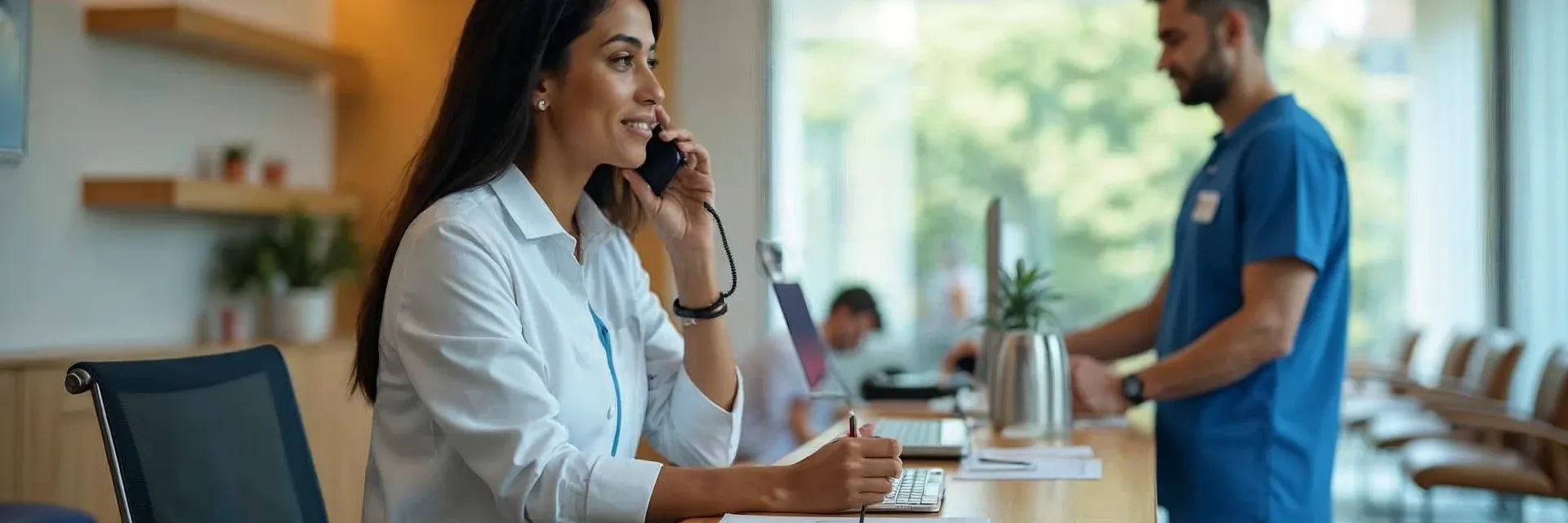
A practical response path for unanswered website inquiries in a medical practice
The same basic model works for dental, medical, and chiropractic offices. Capture the lead, decide the next channel, then close the loop with a documented action.
“A process only works when the next owner is obvious.”

Which practices feel unanswered inquiries the most
Any clinic with steady inbound demand can feel the pressure, but the problem shows up fastest where phones, forms, and scheduling are spread across different systems. The more locations, providers, and visit types you manage, the easier it is for one missed call to disappear between steps.
This is why teams that use patient acquisition and CRM and lifecycle tools tend to look for one view of the inquiry instead of separate notes in different places.
Voicemail is a pause, not a full stop
The strongest answer is not to choose between phone, text, and online scheduling, it is to define what happens after a missed call. If the process is clear, the patient has a practical next step and the office has less guesswork.
For teams that want that process in one place, practice automation, patient engagement, and core communication tools can keep the follow-up visible to staff.
Common questions about missed first calls
These are the follow-up questions clinic teams ask when a new patient does not reach the front desk on the first try.
The office should log the missed call and assign a clear next step, usually a callback or a text. If there is no owner, the inquiry can sit in voicemail without anyone following through.
No. A simple scheduling question can move to text or online booking, while a more complex question may need a live callback. The right response depends on the type of request and what your team can handle quickly.
Faster is usually better, but the real standard should fit staffing and hours. The practical goal is to return the call while the inquiry is still fresh and before the patient solves the problem another way.
Voicemail can capture details, but it is not enough by itself if no one owns the follow-up. Most clinics need a second step so the patient has another way to connect if the call is not answered live.
Text makes sense when the patient can answer more easily by message than by phone. It works well for simple confirmations, callback coordination, and short scheduling steps.
Online scheduling lets the patient keep moving without waiting for another callback. It works best when the office has clear rules for which visits can be booked that way and when staff still review the request.
Start with one simple workflow for logging the miss, assigning the owner, and deciding the next channel. Borna’s patient engagement and practice automation pages show how these pieces fit together.