01
Faster Response Times
Patients receive timely responses while their intent to book is still high. Making new inquiries visible quickly helps the team respond before interest fades, improving trust and increasing appointment opportunities.
Patients often decide whether to trust your clinic long before they arrive. Faster responses, stronger follow-up, and connected communication can help turn more inquiries into scheduled appointments.
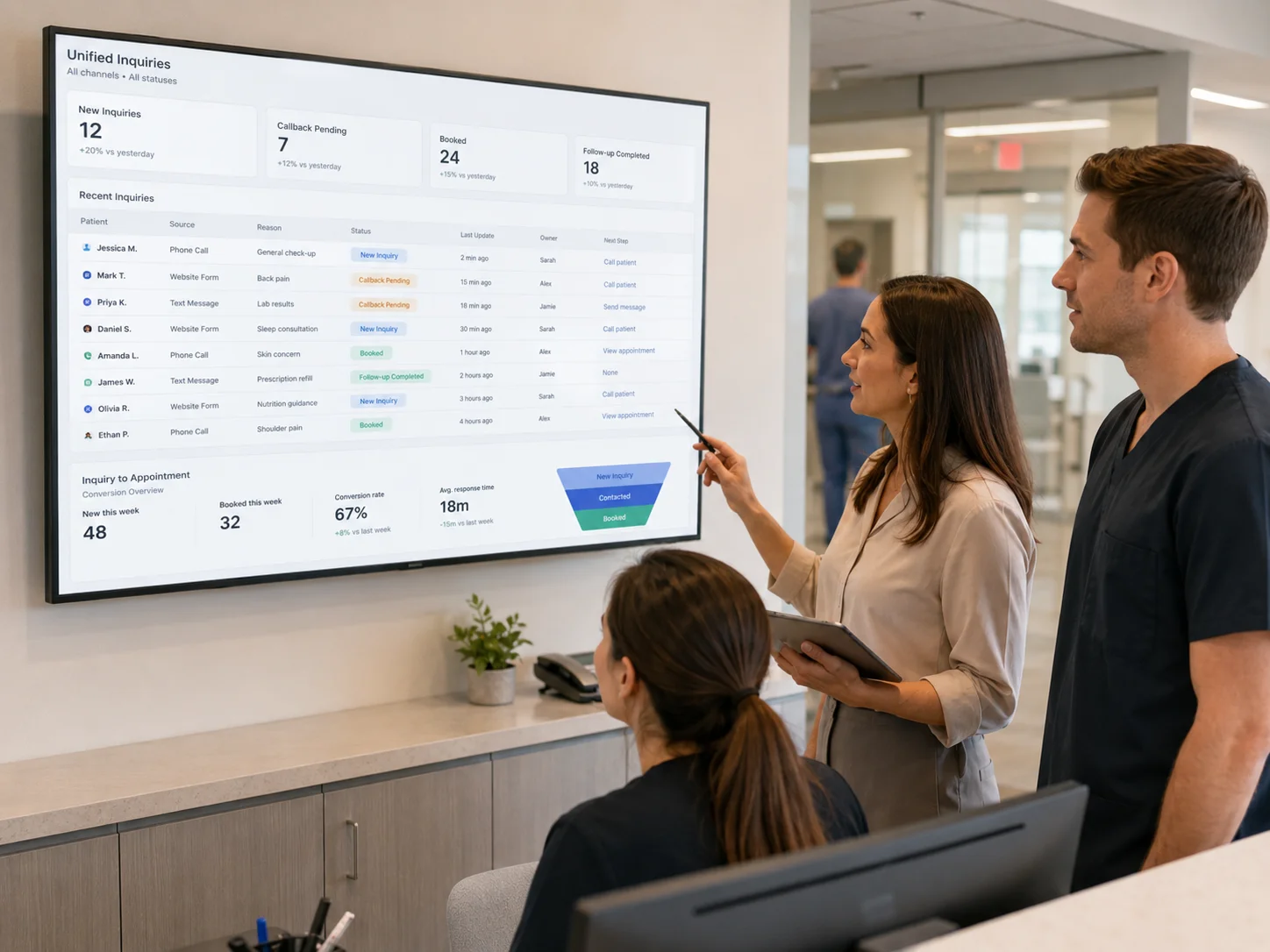
Many clinics assume patient loss happens after treatment begins, but it often starts much earlier. Every phone call, website inquiry, voicemail, or text message is an opportunity to build confidence. When responses are delayed or follow-up is inconsistent, patients may continue searching for another provider who replies first.
The challenge is rarely staff effort. Front desk teams juggle phones, walk-ins, scheduling, insurance questions, and administrative work throughout the day. Without a centralized communication process, inquiries become scattered across calls, emails, forms, and messages, making it difficult to know who still needs a response.
Borna helps clinics organize missed inquiries, AI-generated call summaries, follow-up tasks, and communication history in one connected platform, making it easier for teams to respond quickly and consistently.
“Only 53% of patients reported receiving same-day answers to phone questions during office hours.”
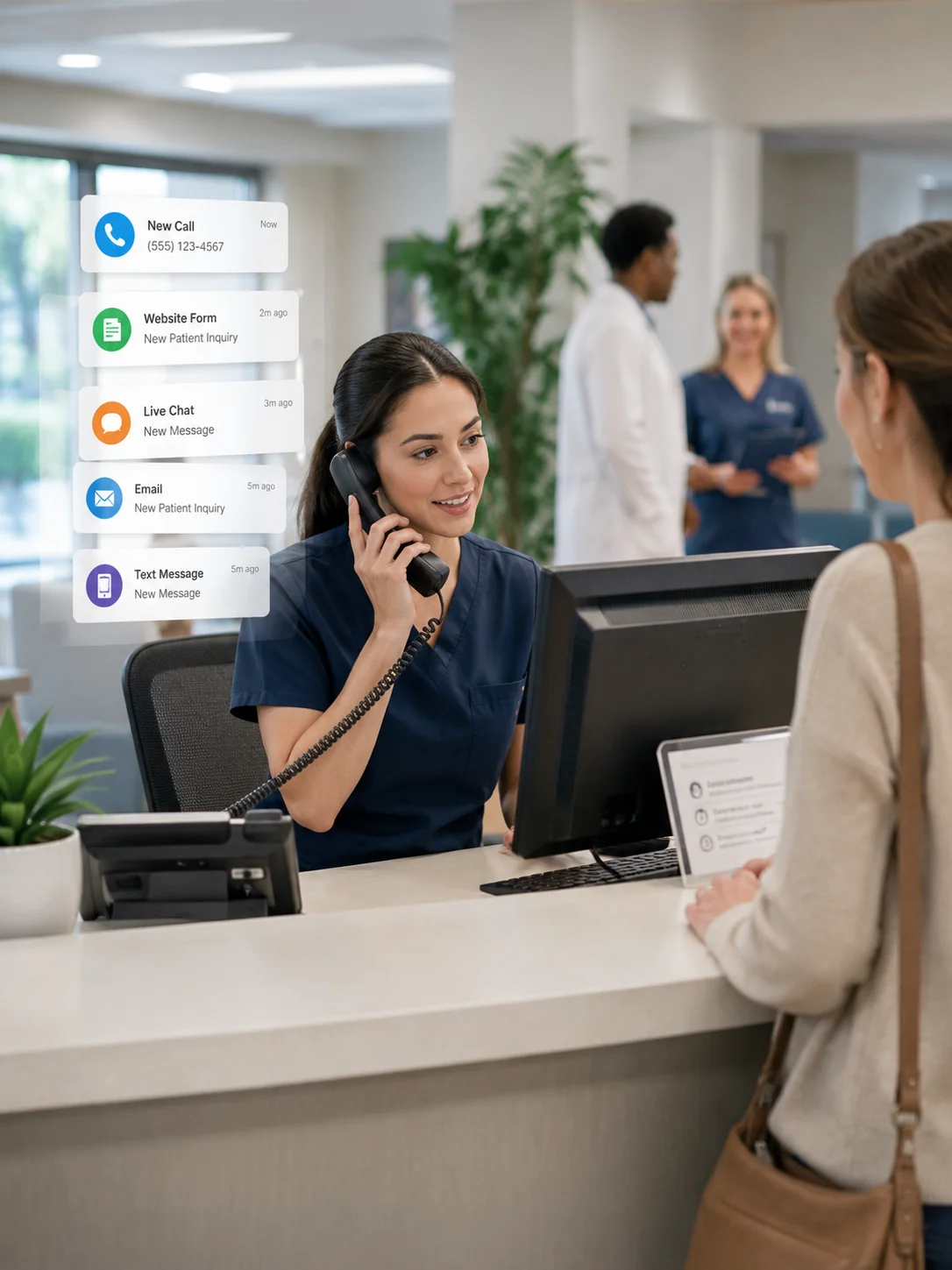
A stronger communication process benefits both patients and clinic staff.
Patients receive timely responses while their intent to book is still high. Making new inquiries visible quickly helps the team respond before interest fades, improving trust and increasing appointment opportunities.
Assigned tasks and visible follow-up status reduce forgotten callbacks. Staff can see what still needs attention, who owns the next step, and whether an inquiry has already been resolved.
Calls, texts, forms, and emails are managed with shared context. Staff can understand previous patient interactions before responding instead of searching across disconnected systems.
Reducing communication gaps helps clinics move more inquiries toward confirmed appointments. Better organization can recover opportunities without requiring the clinic to increase marketing spend.
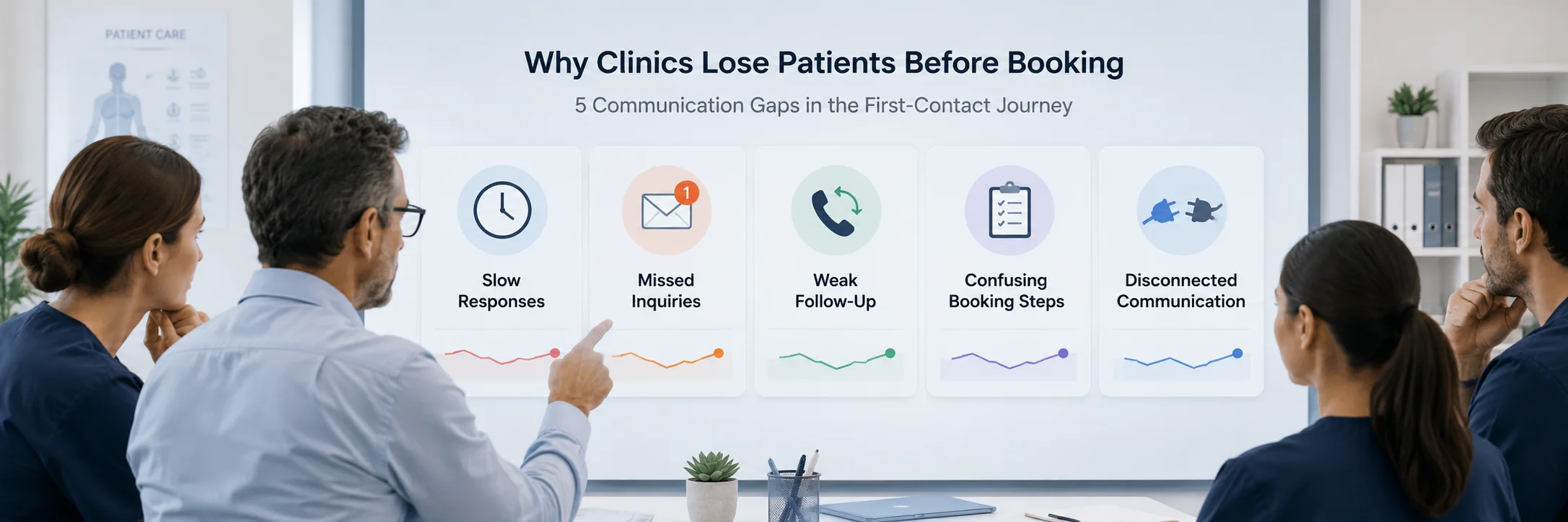
“Patients rarely leave because they wanted another clinic, they leave because another clinic responded first.”
Small communication problems often create significant booking losses when they remain invisible or unresolved.

See how a connected communication workflow compares with manual intake across the moments that influence whether patients continue toward booking.
| Criteria | Traditional Workflow | Connected Workflow |
|---|---|---|
| Inquiry Tracking | Missed inquiries can disappear | Every inquiry remains visible |
| Call Documentation | Manual note-taking | AI call summaries |
| Follow-Up | Memory-based callbacks | Assigned follow-up tasks |
| Communication History | Information scattered across systems | Complete communication context |
| Response Visibility | Limited reporting | Real-time status visibility |
| Ownership | Unclear responsibility | Named task ownership |
| Patient Context | Repeated questions | Previous interactions visible |
| Manager Oversight | Hard to audit | Pending and completed actions visible |
| Booking Experience | Higher friction | Clearer next steps |
| Conversion | Higher patient drop-off | Better booking opportunity recovery |
Connected communication creates a smoother patient experience while giving clinics greater visibility into every inquiry, follow-up, and booking opportunity.
Borna improves the first-contact journey by bringing patient communication into one connected workflow. Instead of relying on memory or multiple disconnected systems, clinics gain visibility into every interaction from inquiry to appointment, helping teams respond faster and keep important follow-ups from slipping through the cracks.
Track missed patient inquiries automatically and keep pending opportunities visible
Generate AI call summaries that capture caller intent and next steps
Assign follow-up tasks so responsibility is clear across the team
Centralize communication history for better context before every response
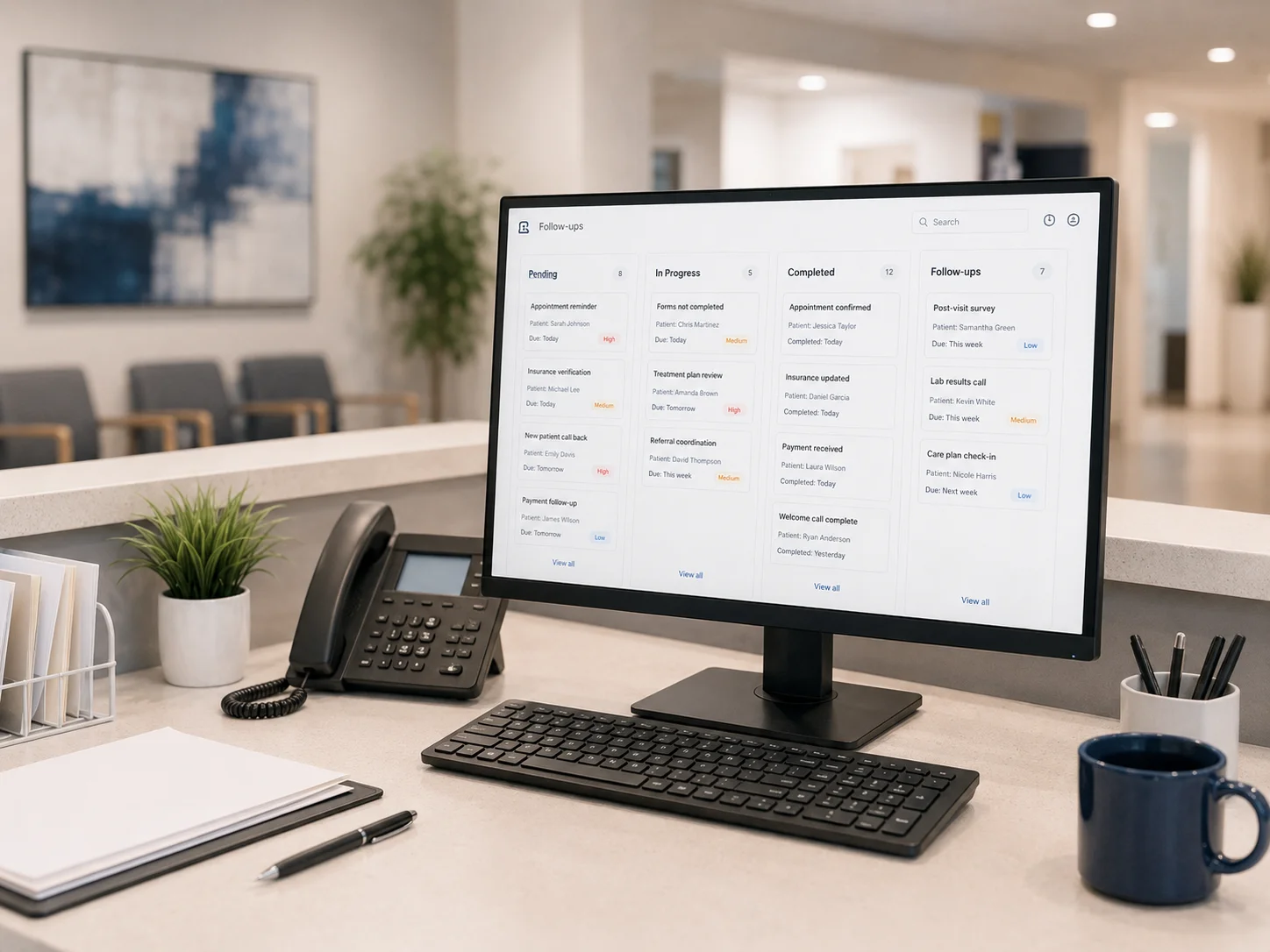
Monitor pending and completed follow-ups from one connected workflow
Improve response visibility so managers can identify communication gaps faster
Today's patients ask search engines and AI assistants questions such as how quickly a doctor's office should respond, what happens after an appointment request, or why a clinic did not call back. Content that directly answers these questions, uses clear headings, and includes trusted evidence is easier for both people and AI systems to understand.
Answer real patient questions directly
Use clear descriptive headings
Include trusted supporting statistics
Build helpful FAQ content
Keep clinic information accurate and consistent
Good communication does not only improve patient experience. Clear, structured answers can also strengthen how clinic information is understood across modern search and AI-assisted discovery.
Practical answers for clinic owners and practice managers working to improve first-contact communication and booking conversion.
Patients often move to another provider after experiencing slow responses, missed calls, confusing booking processes, or poor follow-up. The first-contact stage strongly shapes confidence, so clinics benefit from tracking every inquiry, responding quickly, and keeping pending follow-ups visible until they are resolved.
The sooner the better. Prompt responses help maintain patient interest and build confidence while the person is still actively considering an appointment. Clinics should make new inquiries visible immediately, assign ownership, and use follow-up workflows so calls, forms, or messages do not sit unanswered.
Weak follow-up often comes from manual tracking, busy staff, disconnected systems, and unclear ownership. When callbacks depend on memory, voicemail, spreadsheets, or handwritten notes, inquiries can easily be missed. A structured workflow keeps pending actions visible and shows who is responsible for each next step.
Yes. AI can summarize calls, identify patient intent, organize communication context, and support faster follow-up workflows. The goal is not to replace front-desk staff, but to give the team better information and clearer next steps so patient inquiries are easier to manage consistently.
Clinics can improve booking conversion by tracking every inquiry, simplifying appointment requests, responding promptly, assigning follow-up responsibilities, and giving staff complete communication visibility. Reducing friction during the first-contact journey helps more patients move from initial interest to a confirmed appointment.
Every missed inquiry is a missed opportunity to help a patient and grow your clinic. Borna gives your team the visibility, automation, and communication tools needed to respond faster, improve follow-up, and convert more inquiries into appointments.