
How Can Healthcare Practices Turn More Website Leads Into Booked Appointments?
A website inquiry is only the beginning. Healthcare practices need faster communication, convenient scheduling, and consistent follow-up to move patient interest toward a confirmed appointment.
Why Website Leads Represent a Bigger Patient Opportunity
Healthcare practices invest in SEO, paid advertising, local search, social media, and websites to attract prospective patients. But a form submission, phone call, or chat is not yet an appointment. Someone researching a dentist, doctor, specialist, or other healthcare provider may still be comparing several options. If the next step is difficult, the response is delayed, or the patient cannot easily schedule, valuable interest can disappear before the practice has a meaningful opportunity to build a relationship.
The conversion gap often appears between marketing and front-desk operations. Reception teams are already answering calls, checking in patients, managing forms, handling payments, and coordinating appointments when another website inquiry arrives. Simply generating more leads can increase pressure without solving this operational problem. Practices need healthcare workflow automation that makes incoming inquiries visible, simplifies scheduling and communication, and helps staff understand which prospective patients still need attention.
“A healthcare website lead becomes valuable when the practice creates a clear path from initial interest to communication, follow-up, and appointment scheduling.”
— Borna patient-journey principle
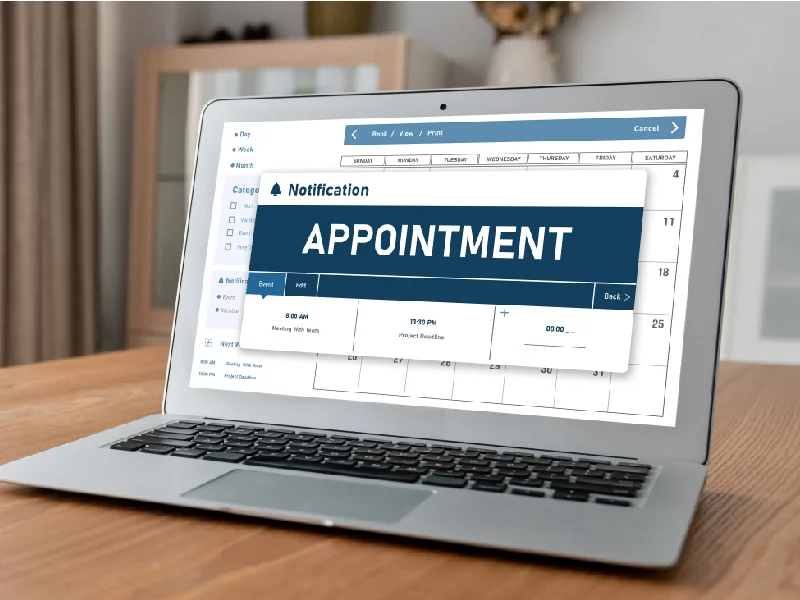

Seven AI Strategies for Turning Leads Into Appointments
A stronger conversion process combines convenient patient access with AI-supported communication and structured follow-up, helping staff move more inquiries toward a clear next step.
Make Online Scheduling Easy to Access
Patients with strong intent should not have to wait for office hours just to request an appointment. Online scheduling creates a direct path from website research to action. Borna Care allows patients to view available appointment dates and times, review appointment information, and manage scheduling digitally. For busy practices, this removes unnecessary friction while giving patients greater control over when they take the next step, particularly when they are researching healthcare providers during evenings, weekends, or other times the front desk is unavailable.

Give Patients More Ways to Connect
Not every prospective patient wants to make a phone call. Some are researching at work, comparing providers privately, or simply want to ask a quick question before scheduling. Offering chat and SMS gives these patients another convenient way to continue the conversation. Borna supports patient chat and one-to-one SMS communication, helping practices create a more flexible patient communication software experience. Multiple communication options can reduce dependence on the phone while giving staff clearer visibility into patient conversations that may require a response.
Recover Opportunities From Missed Patient Calls
Many website visitors research a service and then call instead of completing a form. If the front desk is helping another patient or the call arrives after hours, that high-intent opportunity may be missed. Borna Connect provides AI missed-call handling for eligible calls when practice staff are unavailable. It can capture why the patient called and schedule appointments for patients. This gives practices evaluating an AI receptionist for healthcare a way to support busy teams without positioning automation as a replacement for front-desk employees.

Use AI Summaries for Faster Follow-Up
Returning a call takes longer when staff must replay an entire recording before understanding what the patient needs. Borna's AI Call Intelligence provides call recording, full transcription, and AI-generated summaries, allowing teams to review the purpose and context of a conversation more quickly. This form of AI healthcare automation reduces repetitive review work and gives staff useful information before responding. The employee remains responsible for the conversation, while AI helps organize the information needed to make follow-up faster and more informed.

Keep Every Follow-Up Request Clearly Visible
A patient inquiry can be captured successfully and still disappear during follow-up. Staff may intend to return a call, but another patient arrives, the phone rings again, and the original task gets buried. Borna Connect helps practices identify conversations requiring additional action, track unresolved patient requests, and manage callbacks and follow-ups. Instead of relying entirely on memory, teams gain clearer visibility into pending communication. This type of healthcare workflow automation helps create greater accountability without adding another manual tracking process for already-busy staff.
Connect the Journey Across Patient Touchpoints
A prospective patient rarely interacts with a clinic through only one channel. Someone may discover the practice online, call with a question, use chat later, schedule an appointment, complete a form, and eventually make a payment. Borna Care supports forms, online scheduling, payments, and patient chat, while Borna Connect supports SMS, chat, AI-assisted calls, summaries, and follow-up management. Connecting these touchpoints creates a smoother patient journey and reduces the fragmented communication that makes website leads harder for practice teams to manage.

Automate Routine Communication at Appropriate Moments
Not every patient interaction requires staff to manually repeat the same communication step. Routine messaging can be automated while employees remain available for conversations requiring empathy, judgment, or individualized support. Borna's August 2026 product summary identifies Auto Messages as launching soon, with planned event-driven messages, predefined workflows, configurable content, and SMS-based communication. Once available, these capabilities can further support AI patient communication by making repetitive messaging more consistent while preserving human involvement where patients genuinely need personal assistance.

“The strongest lead-conversion process does not simply generate more inquiries. It reduces the opportunities lost between initial patient interest, communication, follow-up, scheduling, and the eventual appointment.”
Supported by AHRQ communication research and Borna's connected patient-journey model.
Traditional Lead Management vs AI-Supported Patient Communication
Connected workflows help clinics reduce manual gaps between patient interest and the actions required to move an inquiry forward.
Hover or tap each card to flip
Website Inquiry
Waits for staff review
Website Inquiry
Enters organized workflow
Missed Calls
May remain voicemail
Missed Calls
AI-assisted handling available
Call Review
Replay full recordings
Call Review
AI-generated summaries
Patient Intent
Manually documented
Patient Intent
Context captured from calls
Scheduling
Depends on staff access
Scheduling
Online scheduling available
Patient Questions
Phone-dependent
Patient Questions
Chat and SMS options
Forms
Manual paperwork
Forms
Digital patient forms
Follow-Up
Memory-dependent
Follow-Up
Requests remain visible
Communication
Fragmented channels
Communication
More connected visibility
Staff Workload
Repetitive manual steps
Staff Workload
Automation supports staff
A connected healthcare communication platform ensures continuity while letting front-desk teams focus on personal service and complex patient needs.
Where AI Should Stop and People Take Over
Automation reduces repetitive work, while healthcare still requires professional judgment, thoughtful processes, and human empathy.
Clinical Judgment Matters
AI should support workflows, never replace qualified clinical judgment or diagnosis.
Human Empathy Matters
Sensitive patient conversations require empathy, reassurance, and personalized human support.
Clear Processes Matter
Well-defined workflows and responsibilities make healthcare automation more effective.
Accurate Capabilities Matter
Clearly distinguish available features from upcoming capabilities to set realistic expectations.
“The best healthcare automation removes repetitive administrative pressure while preserving human access wherever patients need empathy, judgment, reassurance, or clinical expertise.”
Preparing Patient Acquisition for the AI Search Era
Patients are no longer finding healthcare practices only through Google. They also use Google Maps, AI assistants, healthcare directories, and voice search to research providers and services.
Practices can improve discoverability and conversion readiness by answering high-intent questions clearly, keeping information accurate, strengthening appointment actions, and connecting every inquiry to a defined follow-up process.
Create clear content addressing high-intent patient questions and concerns.
Add clear appointment options across important service and landing pages.
Provide convenient ways for patients to communicate and connect.
Maintain consistent practice information across all digital channels.
Connect every patient inquiry to a defined follow-up workflow.
Measure booked appointments alongside traffic, inquiries, and overall lead volume.
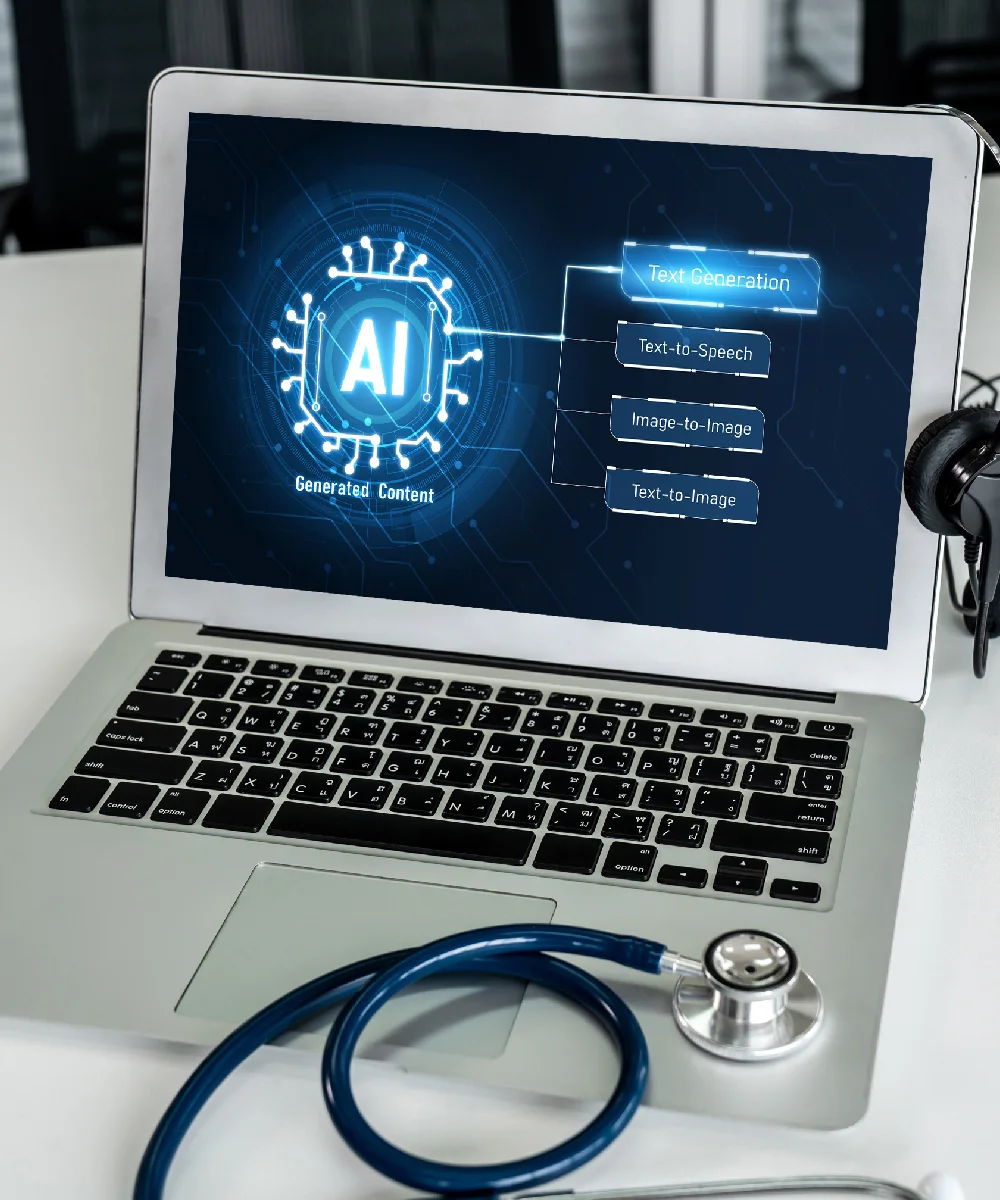
How Borna Connects Leads With Patient Action
Borna is an AI healthcare operations platform designed to improve patient experiences while reducing repetitive administrative and communication work. Borna Care supports digital self-service through forms, scheduling, payments, and chat, while Borna Connect supports AI-assisted call handling, call intelligence, SMS, patient chat, and follow-up management. Together, they help practices create a more connected path from patient interest to action.
Give prospective patients convenient digital access to available appointment scheduling options.
Capture eligible missed calls when busy practice teams cannot answer immediately.
Generate call transcripts and AI summaries that provide faster patient context.
Offer patient chat and SMS as alternatives to phone-only communication.
Keep unresolved patient requests and necessary follow-ups visible to staff.
Connect scheduling, forms, payments, communication, and follow-up across the journey.
Frequently Asked Questions About Converting Website Leads
Here are concise answers to common questions healthcare leaders ask about moving website inquiries toward confirmed patient appointments.
Delayed responses, missed calls, difficult scheduling, limited communication options, and inconsistent follow-up can cause high-intent website inquiries to drop off.
Clinics should respond promptly while patient intent remains high and maintain clear visibility into inquiries that have not yet received attention.
AI can support call handling, scheduling, summaries, and follow-up, while staff remain essential for sensitive, clinical, and complex patient conversations.
Online scheduling reduces booking friction by allowing patients to view availability and take action digitally without waiting for the front desk.
Simplify scheduling, recover missed calls, provide digital communication options, and use structured follow-up workflows supported by dental practice automation.
Every inquiry should receive clear ownership, a timely response, an appropriate scheduling option, and visible follow-up until the request is resolved.
Yes. Connected communication tools can reduce repetitive work across calls, chat, SMS, scheduling, forms, and follow-up while improving staff visibility.
Borna connects digital scheduling, forms, chat, SMS, AI-assisted calls, summaries, and follow-up management to create a smoother patient conversion journey.
Turn More Website Leads Into Booked Patient Appointments
Generating more traffic is only part of patient acquisition. Healthcare practices also need a reliable process for responding to interest, making scheduling convenient, recovering missed communication, and keeping follow-up visible. Borna connects patient self-service with AI patient communication and healthcare workflow automation, helping front-desk teams manage more opportunities without replacing the people patients depend on.