When an AI receptionist for healthcare practices helps most
A clinic does not need automation everywhere for it to be useful. An AI receptionist for healthcare practices can help when calls arrive after hours, when the desk is stretched thin, and when the same intake questions keep pulling staff away from patients at the counter.
The case for keeping people in the loop
A front desk works best when staff handle anything that needs judgment, reassurance, or insurance detail. A live team member can hear urgency, spot exceptions, and decide when a caller needs a same-day answer instead of a scripted response.
The case for an AI receptionist
Automation is most useful when the same call types repeat all day and the answer path is clear. That usually means fewer interruptions for the desk and faster first contact for routine requests.
The best fit appears in predictable missed-call patterns
In most practices, missed calls are not random. They cluster around lunch, the first few minutes after opening, the last hour before close, and times when the team is tied up with in-office work.
That is where an AI receptionist for healthcare practices tends to make sense first. It can answer routine calls, capture details, and hand off anything uncertain to staff instead of leaving the caller stranded.
If your desk already has a clear callback process, automation works best as a front line, not a replacement. It should reduce the number of abandoned calls and shorten the time between the missed call and the first useful response.
The Borna approach ties communication, CRM, and workflow together so the call does not disappear after the ring stops. That matters because the clinic still needs a record, a task, and a follow-up path.
AI can help augment human capabilities and improve productivity, but humans remain central to decision-making and oversight.
The evidence points to a narrow use case first. Automation helps most when the clinic needs a reliable first response for routine, repeatable calls, while staff keep control of complex or sensitive conversations.

AI receptionist for healthcare practices, mapped to real call types
Use automation where the script is clear. Route anything that needs judgment back to staff before the conversation gets stuck.
- Capture the caller's name, reason for calling, and preferred callback time
- Offer office hours, location, and a simple next-step path
- Create a follow-up task for the next business day
- Handle urgent or distressed callers directly
- Answer questions that change based on provider or service
- Decide if the caller needs a same-day callback
The best pattern is simple, automation handles the first pass, staff handle the exceptions, and both sides write into the same follow-up process.
What you gain, and what you give up
Every automation choice has a cost. The question is whether the clinic gains enough consistency to justify the loss of direct control over routine calls.
The strongest use case is not full automation. It is controlled coverage for predictable calls, with a clear handoff back to staff.
The safest rollout is narrow
Start with the call types that are repetitive, low risk, and easy to verify. That gives the team a way to test the workflow without changing every part of the phone process at once.
If your team is already stretched thin, connect missed-call follow-up to your broader communication system, not to a separate tool that creates another queue.
Explore patient communicationThe risks are manageable when the scope is clear
Most failures come from poor boundaries, not from automation itself. The issue is usually unclear handoff rules, outdated office information, or too many call types pushed into the same flow.
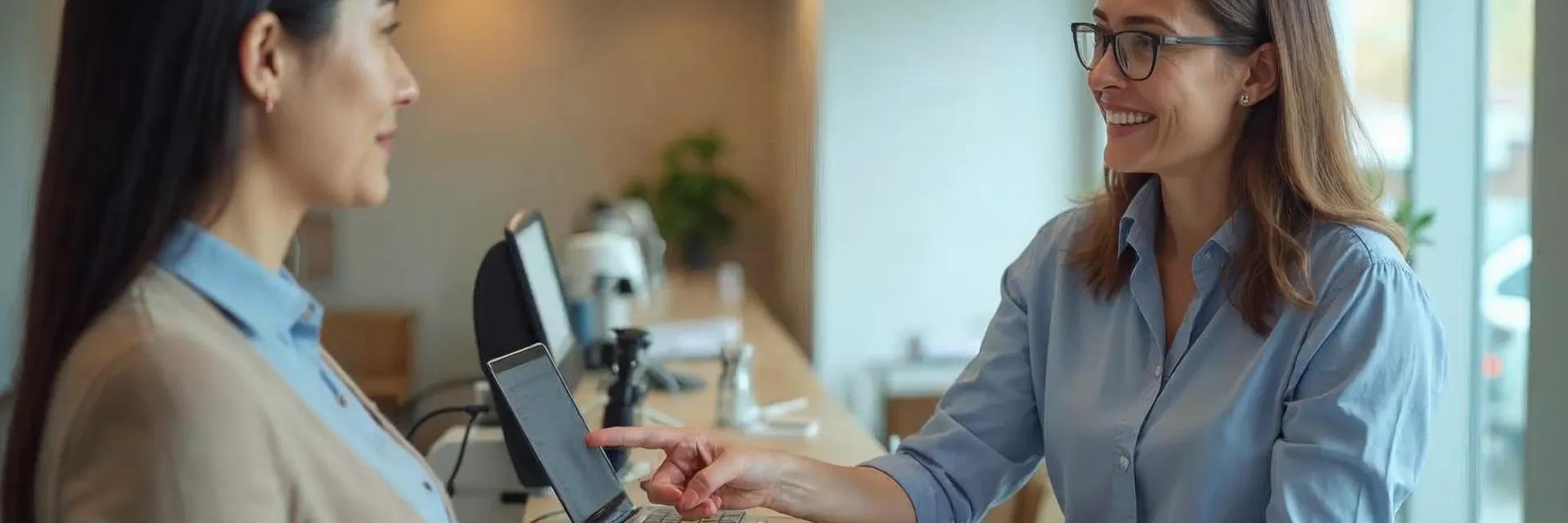
Automation should support the front desk, not replace its role
The team still owns trust, exceptions, and follow-up. The system should do the repetitive work that keeps staff from getting pulled in too many directions.
“The value of AI is often highest when it removes repetitive work and gives people more time for higher-value tasks.”

Why location structure changes the answer
A single-location office can often use the same phone rules across the day, but a multi-location group has more routing decisions to manage. Hours, providers, services, and callback ownership can differ by site, which makes a shared manual process harder to keep straight.
That is where a multi-location workflow matters. An AI receptionist for healthcare practices is most helpful when it can route the call by location, capture the right context, and create a task for the correct team without forcing staff to sort it later.
The question is not just speed. It is whether the caller reaches the right office, with the right information, on the first pass.
Use an AI receptionist where missed calls are predictable, then keep people on the exceptions
For most clinics, the strongest use case is not replacing the front desk. It is giving the desk a second line for routine calls that would otherwise go unanswered.
Start with after-hours inquiries, overflow periods, and repetitive intake questions. Those are the situations where the value is easiest to measure in cleaner handoffs and fewer lost callbacks.
Keep urgent, sensitive, and exception-based calls with staff. That keeps control where it belongs and avoids forcing every conversation through the same path.
Common questions about AI receptionists in clinics
These are the questions practices usually ask before they test automation on the phones.
No. In a clinic, the better model is usually support, not replacement. Automation can cover routine calls, collect basic details, and route requests, while staff handle exceptions, sensitive conversations, and follow-up.
Start with after-hours calls, lunch-hour overflow, and repetitive intake questions. Those call types are easier to standardize and less likely to need judgment before a response goes out.
Yes, if the routing rules are set up carefully. A multi-location practice needs clear ownership by site, because the right answer often depends on office hours, provider availability, and which team should call back.
At minimum, collect the caller's name, contact information, reason for calling, and the best time to reach them. If the clinic uses the same workflow for every site, it is easier to keep callbacks organized.
The system should escalate when the script cannot answer confidently or when the caller sounds urgent, upset, or confused. A clean handoff is better than forcing a reply that creates more work later.
Track whether missed calls are being returned faster, whether routine questions are leaving staff with more time, and whether callbacks are being logged consistently. The goal is better control of the phone queue, not a promise about bookings.