
Why Is My Clinic Missing So Many Patient Calls Every Week?
Every missed patient call is a missed opportunity to answer questions, schedule appointments, or build trust. Busy front desks, after-hours calls, and manual follow-up processes often create communication gaps that impact patient experience and clinic growth.
Turning Missed Calls Into Patient Opportunities
Missed calls are one of the most overlooked growth challenges in healthcare. They rarely happen because staff are careless, they happen because reception teams are balancing patient check-ins, appointment scheduling, insurance questions, billing inquiries, and administrative work simultaneously. When several calls arrive at once or patients call after hours, even experienced teams can struggle to respond quickly.
Every unanswered call may represent a new patient, a rescheduling request, or someone needing urgent information. Without missed-call tracking and structured follow-up, these opportunities often disappear into voicemail or handwritten notes. By organizing communication and making every inquiry visible, clinics can improve response times, increase booking conversions, and create a better patient experience.
“Only 53% of patients reported receiving same-day answers to phone questions during regular office hours.”
— AHRQ CAHPS Improvement Guide


Seven Ways AI Helps Clinics Reduce Missed Calls
Modern AI tools help clinics organize communication instead of relying on memory or manual processes.
Track Every Missed Call
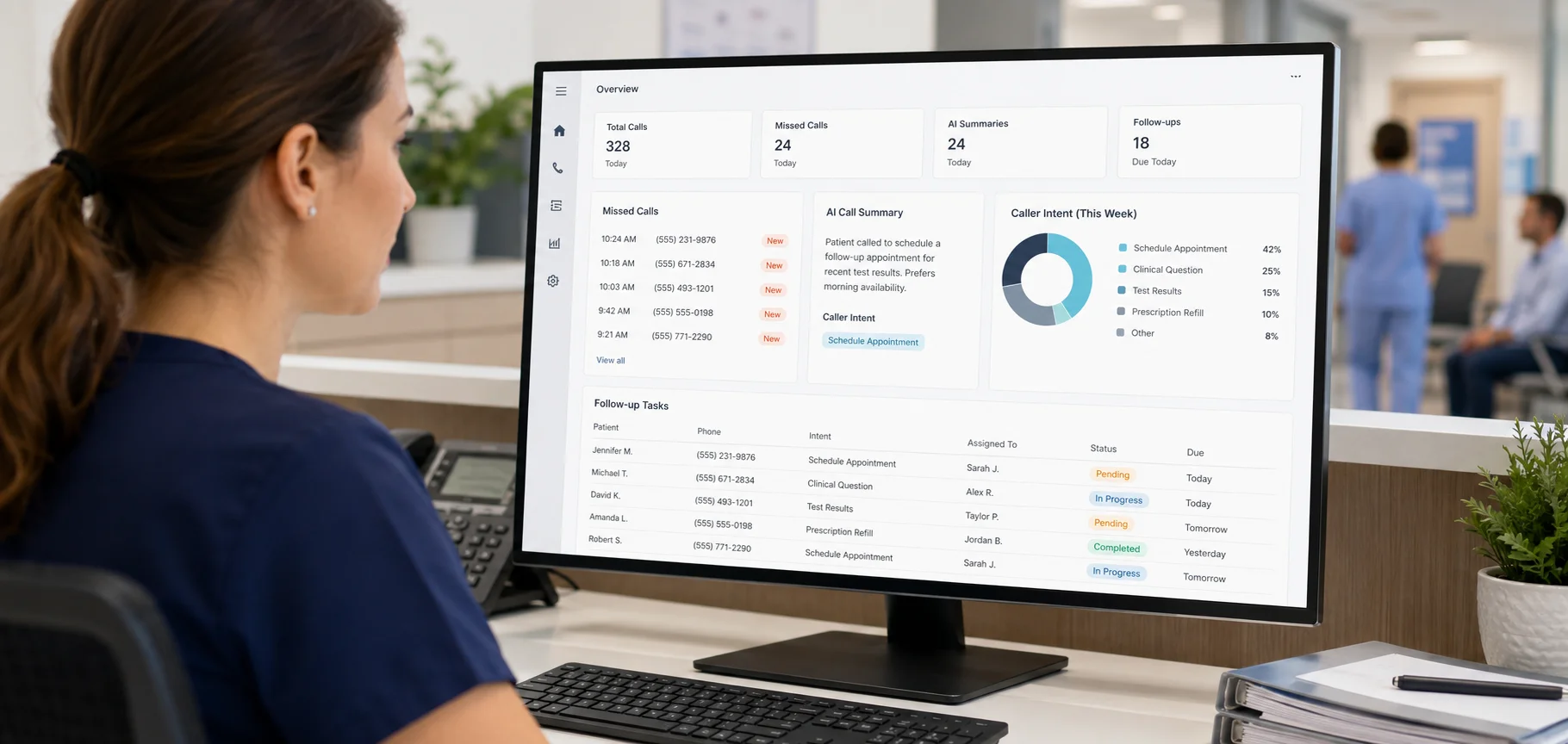
Every missed call represents a patient who reached out with a purpose, whether to book an appointment, ask a question, reschedule a visit, or discuss billing. Without a reliable tracking system, these inquiries can disappear into voicemail or handwritten notes. AI-powered missed-call tracking records unanswered calls so staff can review missed interactions, prioritize callbacks, and reduce the chances of losing potential appointments because someone forgot to follow up.
Automate Callback Workflows
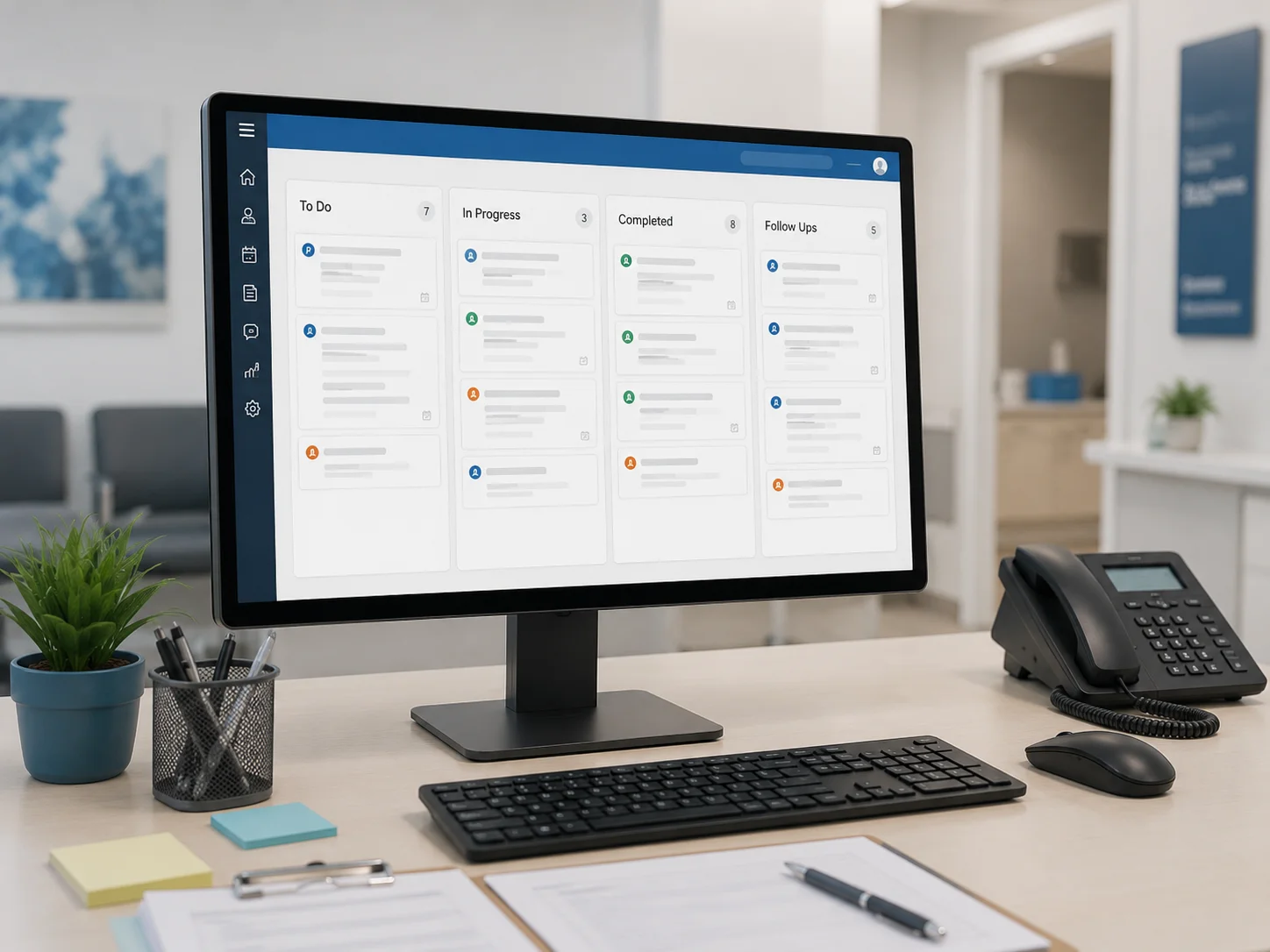
Relying on memory or manual notes to return patient calls often leads to delays and missed opportunities. AI can create callback tasks when a patient call is missed, assign ownership to the appropriate staff member, and monitor completion status. Instead of wondering who should respond or whether a callback was completed, clinics have a structured workflow that keeps every inquiry visible until it is resolved.
Generate AI Call Summaries
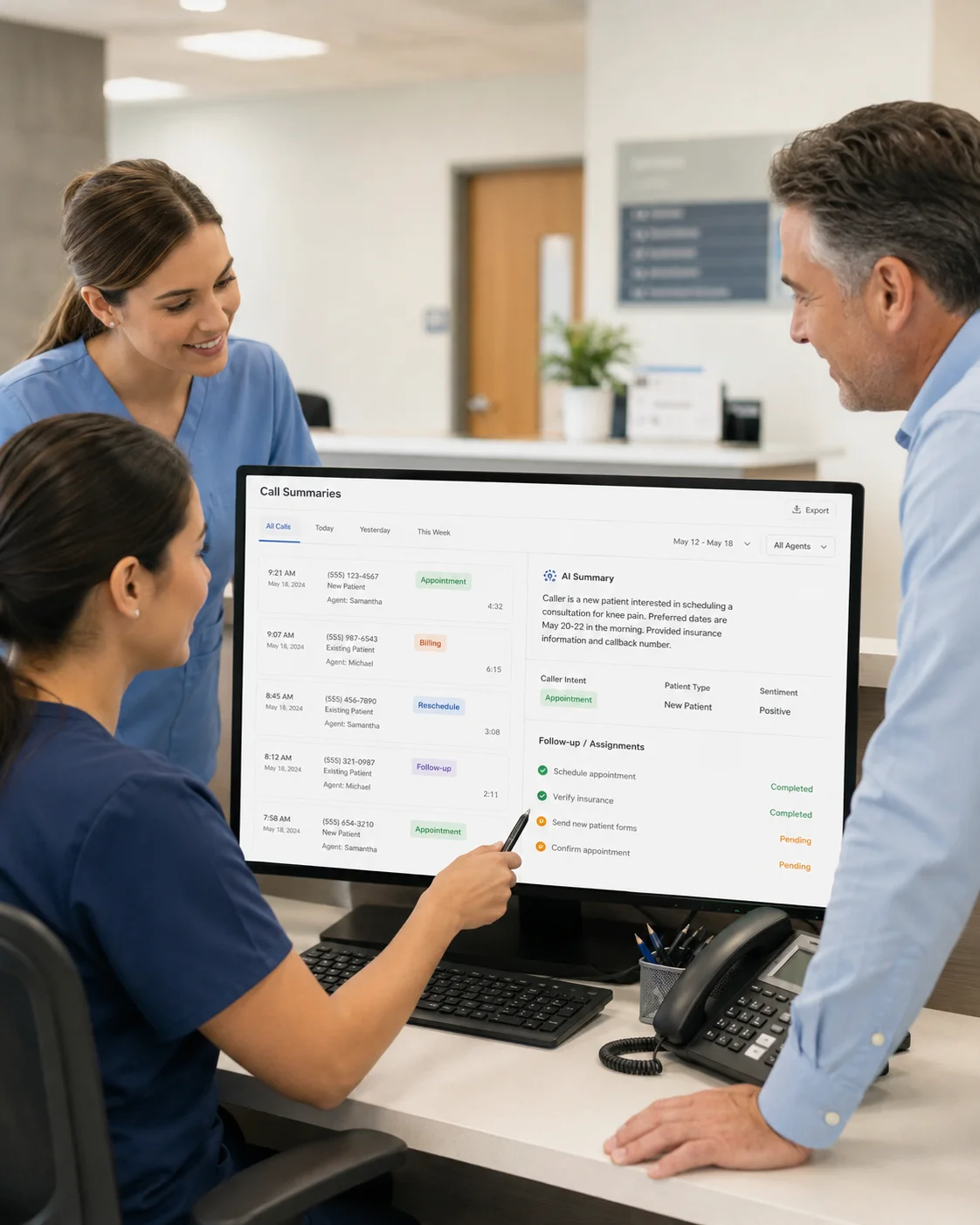
Listening to lengthy voicemails or manually documenting every patient conversation consumes valuable staff time. AI-generated call summaries capture essential details, including why the patient called, what they needed, and possible next steps. Front desk staff can review concise summaries quickly instead of replaying recordings, helping them understand patient intent and respond more efficiently.
Organize Patient Intent
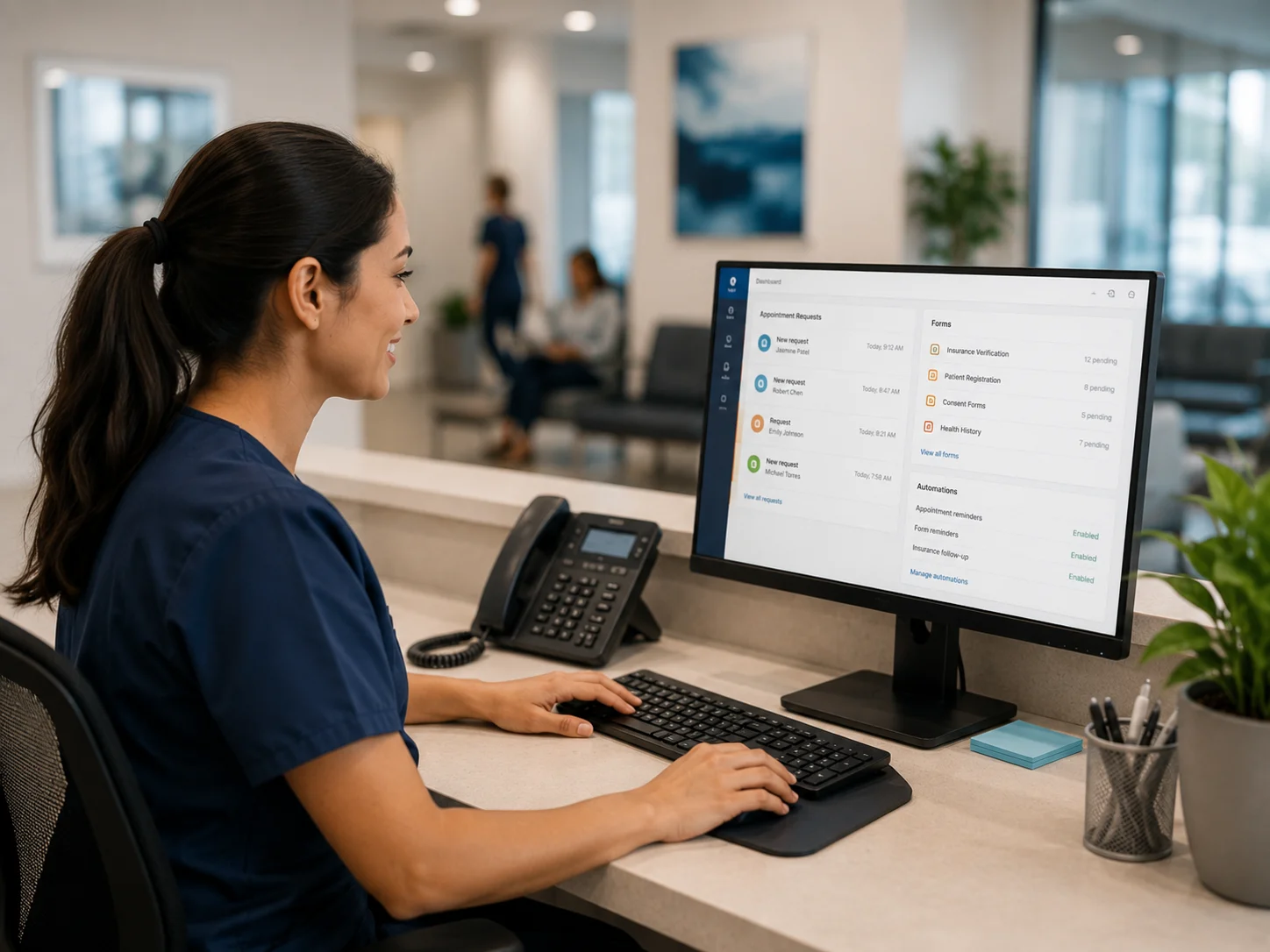
Not every patient call requires the same response. Some callers want to schedule appointments, while others need help with billing, prescription refills, insurance questions, or rescheduling. AI can categorize these inquiries so they reach the right person faster. Better organization reduces unnecessary transfers and gives managers clearer insight into the types of requests their clinic receives most often.
Assign Follow-Up Ownership
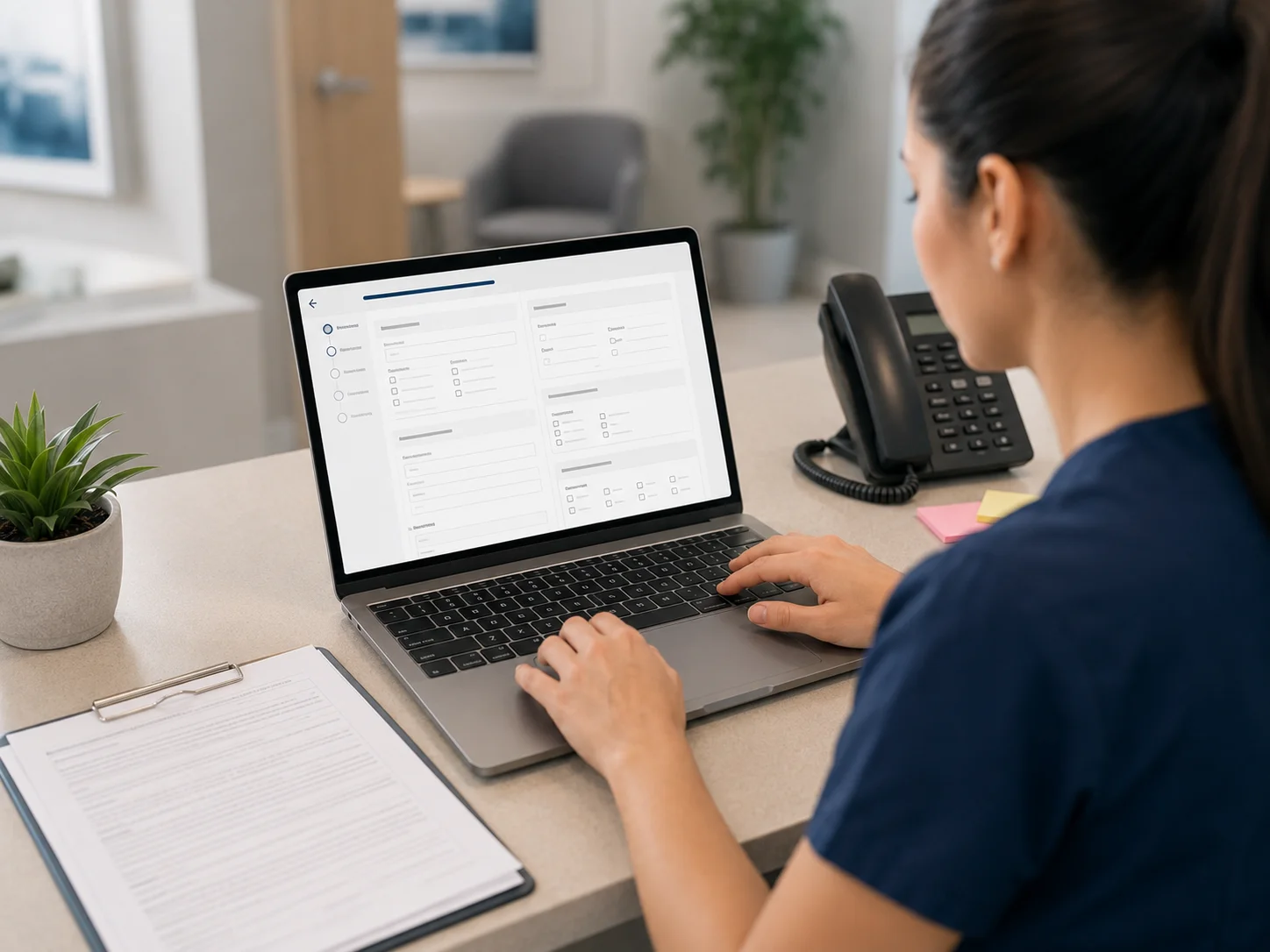
One of the biggest causes of missed callbacks is unclear responsibility. When everyone assumes someone else will respond, patients may receive no response at all. AI-powered workflows assign each missed call or inquiry to a specific staff member, creating accountability from the moment the interaction is recorded. Managers can see who owns each follow-up and identify outstanding tasks.
Monitor Response Status
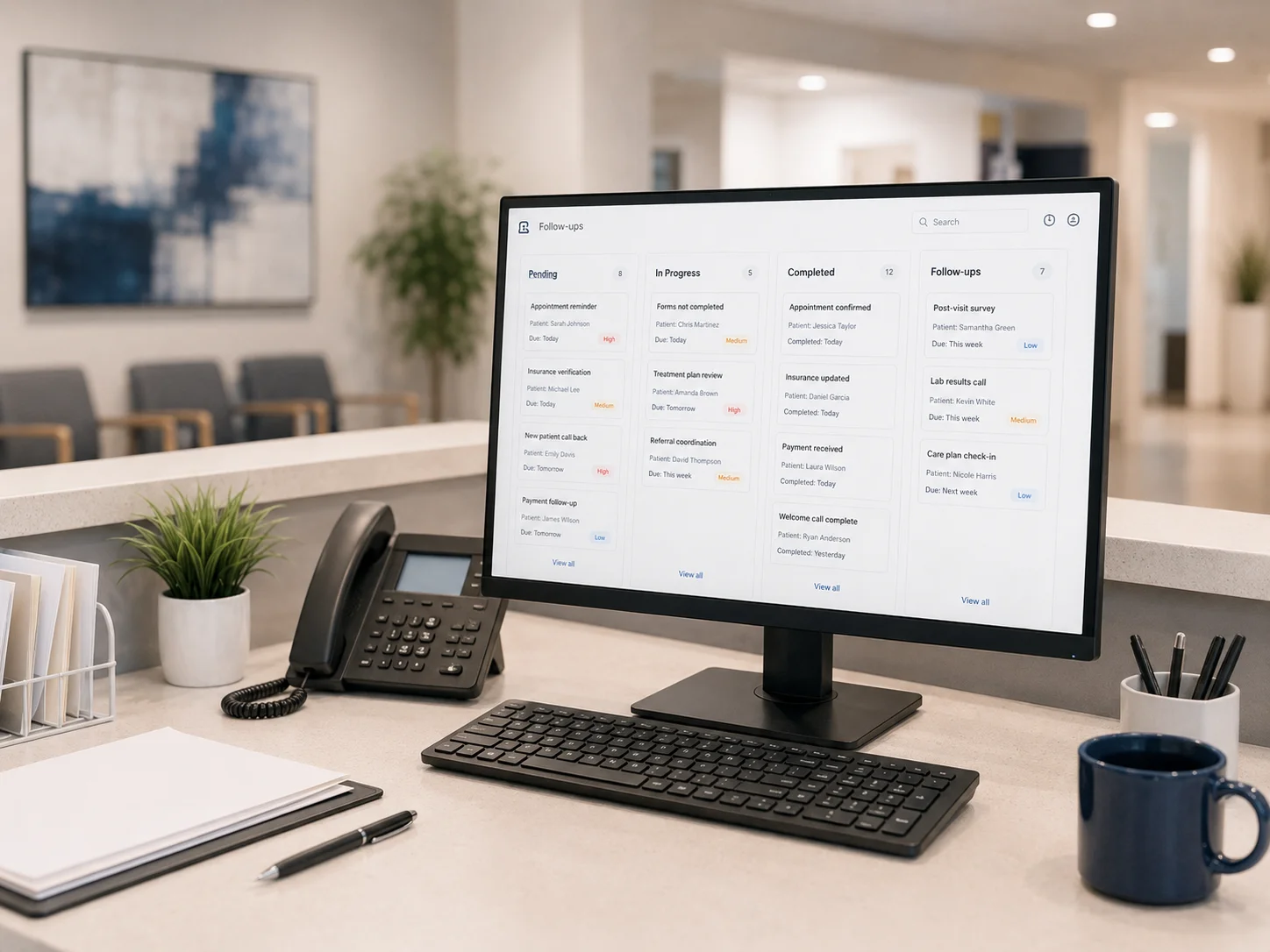
Communication does not end when a callback is assigned. Clinics also need visibility into whether patient requests have actually been resolved. AI-powered dashboards can track pending, completed, overdue, and unresolved callbacks. This helps practice managers identify communication bottlenecks, monitor staff workload, and keep patient requests from falling through the cracks.

Analyze Communication Trends
Every patient interaction generates useful operational data. AI can analyze missed-call patterns, peak calling times, common inquiry types, response times, and follow-up performance. Managers can identify recurring bottlenecks, adjust staffing during busy periods, and improve workflows using real communication data instead of assumptions. Over time, these insights can help clinics strengthen patient experience and recover more appointment opportunities.

“AI doesn't replace patient communication, it helps clinics organize it, respond faster, and ensure every patient inquiry receives the attention it deserves.”
Supported by research highlighting the relationship between timely communication and patient satisfaction.
Traditional Communication vs AI-Powered Communication
AI helps clinics respond consistently while improving visibility across every patient interaction.
Hover or tap each card to flip
Missed Calls
Missed calls forgotten
Missed Calls
Every call tracked
Documentation
Manual notes
Documentation
AI summaries
Ownership
Unclear ownership
Ownership
Assigned tasks
Voicemail
Voicemail overload
Voicemail
Organized workflows
Callbacks
Slow callbacks
Callbacks
Faster responses
Reporting
Limited reporting
Reporting
Real-time dashboards
Systems
Disconnected systems
Systems
Unified communication
Patient Context
Repeated questions
Patient Context
Complete conversation history
Follow-Up
Delayed follow-up
Follow-Up
Automated reminders
Booking Opportunity
Lost opportunities
Booking Opportunity
Better booking conversion
AI helps clinics respond consistently while improving visibility across every patient interaction.
AI Works Best Alongside Your Team
AI improves communication, but it does not replace the personal care patients expect from healthcare professionals.
Human Conversations Matter
Patients still value empathy, reassurance, and personal guidance during important healthcare decisions.
Clinical Decisions Require Professionals
Only qualified healthcare providers should make medical recommendations and treatment decisions.
Complex Situations Need Judgment
Sensitive conversations and unusual patient cases require human experience and critical thinking.
Technology Needs Good Processes
AI works best when supported by clear workflows, trained staff, and consistent communication standards.
“The best healthcare communication combines intelligent technology with compassionate people.”
Preparing Clinics for the Future of Patient Search
Patients increasingly use AI-powered search tools to ask questions about appointment availability, response times, and healthcare services. Clinics that publish structured, helpful content are more likely to appear in both traditional search results and AI-generated answers.
Publish direct answers to the questions patients actually ask.
Keep healthcare information accurate, clear, and appropriately reviewed.
Organize content with descriptive headings and easy-to-scan sections.
Use credible sources when factual claims or benchmarks are included.
Keep service and location information clear and consistent.
Review clinic details and patient-facing content regularly.
How Borna Improves Patient Communication
Borna helps clinics capture every patient opportunity by combining missed-call tracking, AI summaries, and organized follow-up workflows into one connected communication platform. Instead of relying on memory or disconnected tools, teams gain complete visibility into patient conversations and response status.
Track every missed patient call automatically
Generate AI-powered call summaries
Assign follow-up responsibilities clearly
Monitor callback completion status
Organize patient communication history
Improve response visibility across the clinic
Frequently Asked Questions
Answers to common questions about missed patient calls, AI call summaries, callback workflows, and communication visibility.
Busy reception teams often manage multiple responsibilities simultaneously, making it difficult to answer every call immediately. Without structured tracking and follow-up, missed calls become lost opportunities.
AI can summarize calls, identify caller intent, organize follow-up, and improve communication workflows, helping staff respond more efficiently.
Missed calls can reduce appointment bookings, delay patient communication, and decrease the return on marketing investment.
Missed-call tracking records unanswered calls, captures communication details, and helps clinics monitor callback completion.
Using automated workflows, AI summaries, assigned ownership, and response tracking helps ensure every patient inquiry receives timely attention.
No. AI supports reception teams by organizing information and reducing manual work while staff continue providing personalized patient service.
Appointment requests, billing inquiries, rescheduling, prescription questions, and general patient inquiries can all be automatically organized.
Managers can identify delays, monitor performance, improve accountability, and recover patient opportunities before they are lost.
Turn Every Missed Call Into A New Opportunity
Every missed patient call is an opportunity to build trust, schedule an appointment, and strengthen your clinic's reputation. Borna helps your team respond faster, organize communication more effectively, and recover more patient opportunities with AI-powered workflows.