
What Happens When a New Patient’s Call Goes Unanswered?
A ringing phone can represent a new patient ready to take action. When that call goes unanswered, the real challenge is whether the practice can recover the conversation before patient interest fades.

Why Unanswered New Patient Calls Deserve More Attention
A ringing phone is more than another front-desk task. For a prospective patient, it may represent the moment they have decided to take action. They may be looking for a dentist accepting new patients, trying to schedule a medical consultation, asking whether a chiropractor treats a specific concern, or checking whether a clinic offers a particular service. If the call goes unanswered, the practice still has an opportunity to continue the conversation.
The bigger problem begins when that missed interaction becomes invisible. If nobody knows why the patient called, who should respond, or whether a callback happened, a high-intent inquiry can quietly disappear. Understanding how to stop losing patients before they book therefore requires looking beyond lead generation and examining what happens between the first inquiry and the appointment.
Front-desk teams rarely manage phone calls in isolation. Staff may be checking patients in, answering existing calls, changing appointments, processing forms, handling payments, and responding to questions at the same time. Calls can also arrive after normal business hours. A reliable recovery process helps practices identify unanswered interactions, understand what patients need, and move each request toward the appropriate next step.
“Only 53% of patients reported receiving same-day answers to phone questions during regular office hours.”

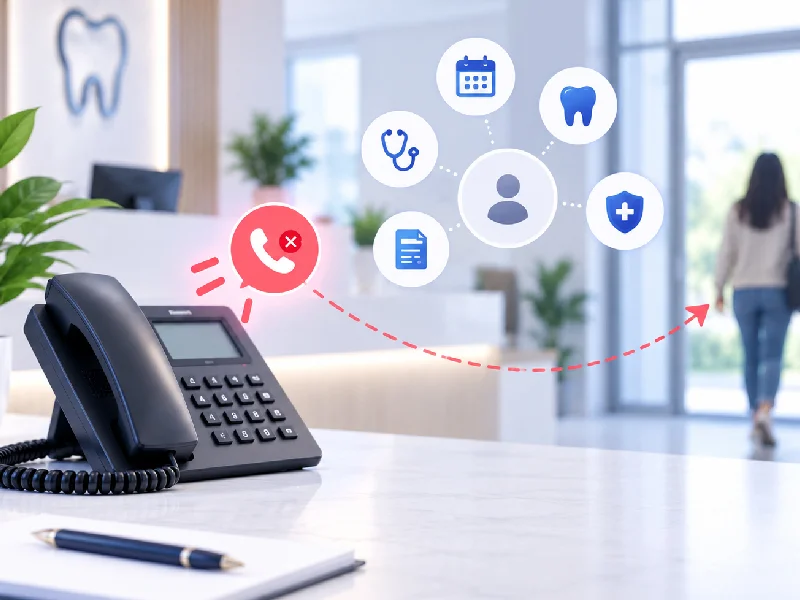
Seven AI Strategies for Recovering Missed Patient Calls
AI healthcare automation can support the administrative work surrounding patient calls while keeping people responsible for conversations requiring empathy, judgment, and professional expertise.
Make Every Missed Call Visible
A missed new-patient call should become a visible interaction rather than disappearing into a general voicemail queue. A structured workflow helps staff identify unanswered calls and determine which patients still need attention. This becomes especially useful during peak periods when employees are balancing patients at the desk, existing calls, scheduling changes, forms, and payments. Healthcare workflow automation creates a clearer path from an unanswered call to an appropriate follow-up action.
Visibility helps staff distinguish unresolved patient communication from routine completed tasks.
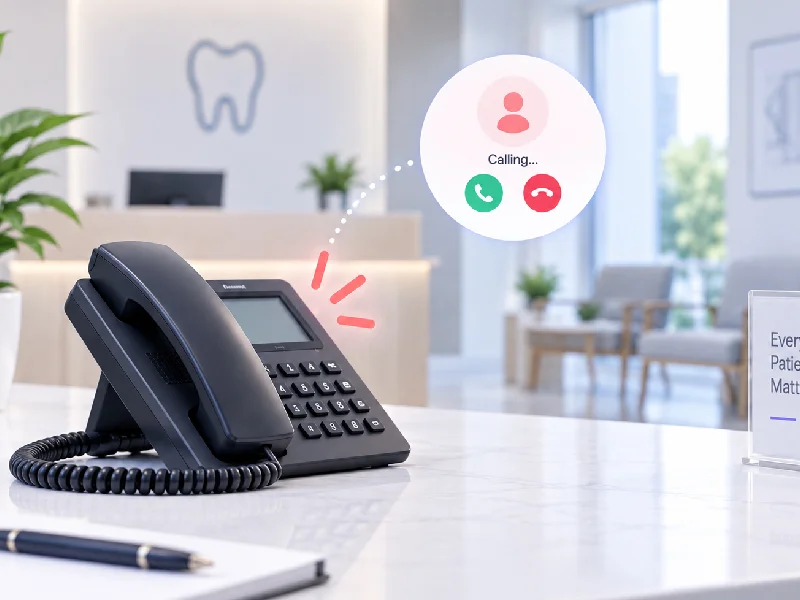
Give Staff Faster Call Context
Returning a call without context creates unnecessary work. Employees may need to replay voicemail, search notes, or ask the patient to explain the original request again. AI call intelligence can summarize available conversation information so staff understand why someone contacted the practice before responding. An AI healthcare operations platform can reduce repetitive review while keeping employees responsible for the actual patient conversation and any decisions requiring human judgment.
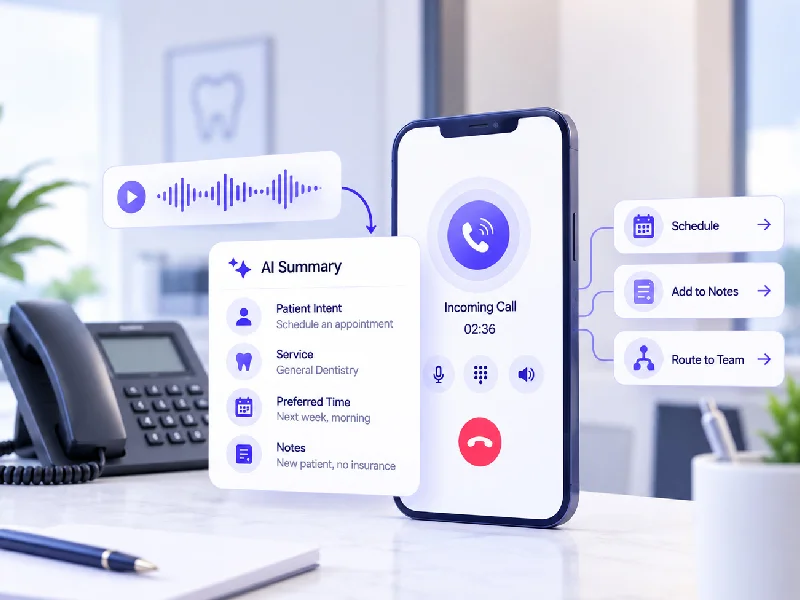
Organize Calls by Patient Intent
A new patient asking to schedule an appointment has a different need from someone calling about billing, insurance, an existing visit, or a treatment question. Organizing caller intent helps teams understand what type of response is needed and where the inquiry should go. An AI receptionist for healthcare can support this administrative organization, reducing unnecessary searching while helping staff approach callbacks with better context and clearer priorities.
Clinical or sensitive requests should move to the appropriate staff member or healthcare professional.
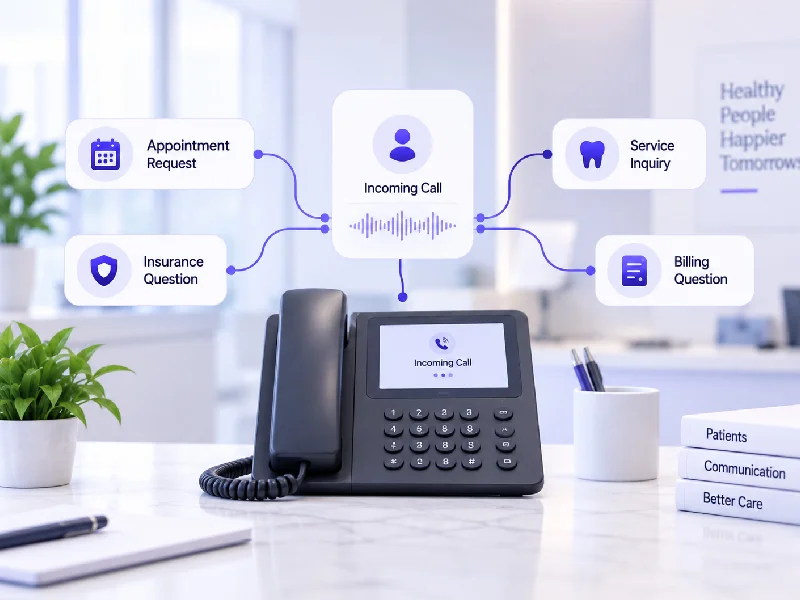
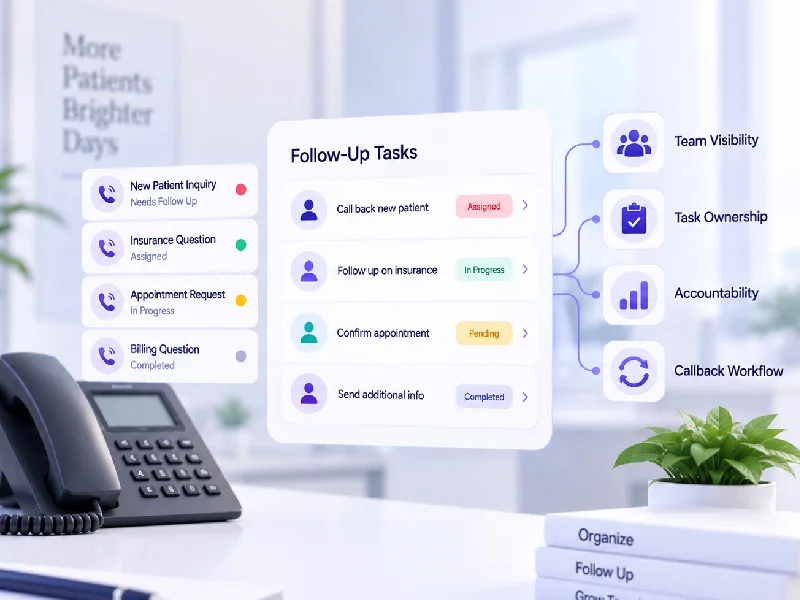
Create Clear Follow-Up Ownership
Callbacks often become inconsistent when responsibility is unclear. One employee may assume another person is responding while everyone continues managing incoming work. Structured practice automation can make unresolved patient requests easier to see, assign, and track. The goal is not additional staff monitoring. It is a clearer workflow where important patient communication depends less on sticky notes, verbal handoffs, or individual memory.
Support After-Hours Patient Inquiries
Patients do not limit healthcare searches to clinic operating hours. Someone may search for a dentist after work, investigate chiropractic care in the evening, or contact a medical practice before the office opens. AI-assisted communication and digital self-service options can help capture these inquiries for structured review. Human escalation should remain available whenever the situation requires personalized support, professional judgment, or clinically appropriate attention.
Explore Borna Connect →
Connect Calls With Digital Patient Workflows
Recovering the phone call is only the beginning. A prospective patient may next need to schedule, complete forms, receive messages, or make a payment. When these processes operate separately, staff spend more time moving between systems. A connected healthcare communication platform can help practices create a smoother workflow from initial inquiry through the appropriate administrative next steps while keeping staff involved when patients need personal assistance.

Review Communication Patterns Over Time
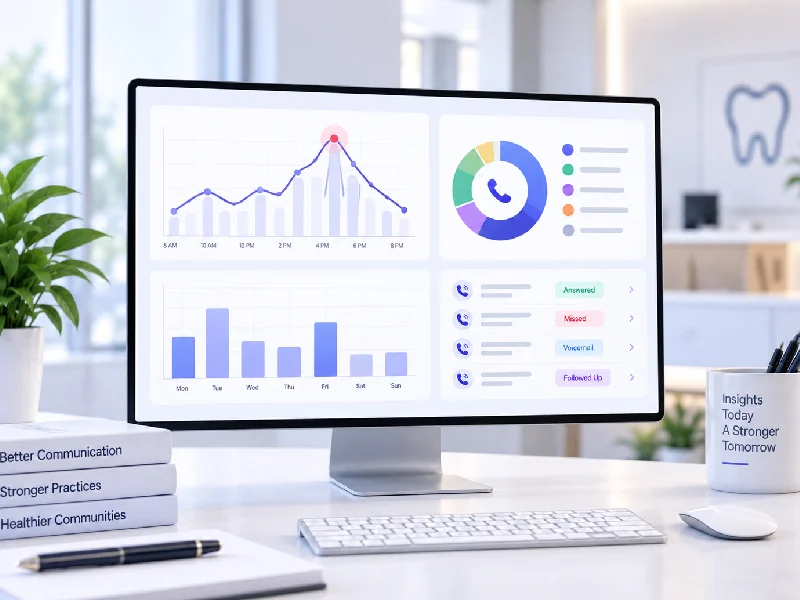
Individual missed calls matter, but patterns provide operational insight. Practice managers should understand when calls are commonly missed, what patients are contacting the clinic about, which requests remain unresolved, and where communication workflows repeatedly slow down. Better visibility can help leaders evaluate staffing and processes rather than relying on assumptions. Communication analytics should support operational decisions, not replace them. The goal is to identify recurring friction and determine where workflow improvements may strengthen the patient experience.
“AI creates the most practical value when it reduces the administrative friction surrounding patient communication while keeping healthcare staff responsible for conversations, decisions, and relationships that require human understanding.”
The strongest workflow combines automation for repetitive administrative work with clear human ownership and appropriate escalation.
How Patient Call Management Changes With AI Support
AI can organize repetitive communication tasks while giving healthcare teams clearer information about patient needs and unresolved interactions.
Hover or tap each card to flip
Missed Call Visibility
Missed calls sit in voicemail
Missed Call Visibility
Missed interactions become visible
Call Review
Staff replay recordings manually
Call Review
AI summaries provide faster context
Caller Intent
Caller intent is unclear
Caller Intent
Patient intent can be organized
Callback Tracking
Callbacks rely on memory
Callback Tracking
Follow-up becomes easier to track
Task Ownership
Ownership may be unclear
Task Ownership
Responsibility becomes more visible
After-Hours Access
After-hours calls wait
After-Hours Access
Inquiries can be captured for review
Routing
Routing requires manual interpretation
Routing
Intent can support routing
Pending Requests
Pending requests are difficult to see
Pending Requests
Unresolved requests remain visible
Connected Workflow
Communication stays fragmented
Connected Workflow
Digital workflows become more connected
Operational Insight
Managers have limited insight
Operational Insight
Communication patterns become easier to review
Patient Access
Phone may be the main path
Patient Access
Multiple digital pathways can support next steps
AI-assisted communication is most valuable when it gives employees better context and reduces repetitive organization. Patients should still have access to people when their needs involve sensitivity, complexity, reassurance, or professional healthcare judgment.
Know Where Healthcare AI Still Needs People
AI-assisted communication can improve workflow efficiency, but practices still need clear boundaries, escalation processes, and human accountability.
Sensitive Patient Conversations Need Human Attention
Patients may call because they are anxious, uncomfortable, confused, or frustrated. AI can organize the interaction, but it cannot replace the empathy and judgment needed in sensitive conversations. Practices should define when communication moves directly to a staff member or qualified healthcare professional. AI patient communication should make appropriate human follow-up easier, not prevent patients from reaching someone when personal attention is needed.
Clinical Questions Require Appropriate Professionals
An AI front desk for healthcare can support administrative communication, but clinical decisions belong with qualified professionals. Questions involving symptoms, diagnoses, treatment recommendations, medications, or other clinical matters require appropriate escalation. Clear boundaries help practices use automation for routine operational work without allowing technology to move into decisions that require professional healthcare expertise.
Complex Scheduling Still Requires Flexibility
Not every appointment fits a predictable workflow. A patient may need coordination between providers, accessibility accommodations, multiple appointments, or a scheduling change involving unusual circumstances. Automation can capture the request and organize relevant context, but staff may still need to determine the best solution. Scheduling automation works best as support for employees rather than a replacement for human flexibility.
Technology Must Fit Existing Workflows
Adding another disconnected system can increase administrative work instead of reducing it. Practices should consider how communication connects with scheduling, forms, payments, patient messages, follow-up responsibilities, and escalation processes. Staff also need clear expectations about how the workflow operates and who owns each step. Technology delivers greater value when it reduces fragmentation rather than creating another system employees must remember to monitor.
“Automate the repetitive organization around patient communication while keeping people responsible for the moments where judgment and empathy matter.”
Patient Communication Is Entering the AI Search Era
Patient communication increasingly begins before someone calls the practice. People use search engines, maps, directories, and AI assistants to research healthcare services, compare providers, understand treatments, and explore appointment options. A prospective patient may ask whether a clinic accepts new patients, provides online scheduling, offers digital forms, or has ways to make contact outside regular business hours.
This means digital visibility and patient access should work together. Ranking for a high-intent search is valuable, but discovery alone does not create an appointment. An effective patient acquisition process should also consider what happens after a prospective patient decides to contact the practice. Clear information, accessible communication pathways, and reliable follow-up help turn digital interest into a more connected patient journey.
Use clear, accurate language to address the questions prospective patients are most likely to ask.
Describe appointment pathways on relevant service and contact pages so patients know what they can do next.
Keep phone numbers and operating hours consistently updated across the practice website and search profiles.
Publish useful FAQs about scheduling, patient communication, services, and common administrative next steps.
Use structured content that accurately reflects the services the practice actually provides.
Connect digital discovery with clear patient actions such as calling, messaging, scheduling, or submitting an inquiry.

How Borna Connects Patient Calls With Next Steps
Borna is an AI-powered healthcare communication and practice automation platform designed to support the patient journey rather than treat each communication channel as a separate task. It helps practices organize patient communication, reduce repetitive front-desk work, improve visibility into follow-up needs, and provide digital self-service options that can continue the journey after a patient first reaches out.
AI-assisted call handling supports routine communication workflows while maintaining appropriate human involvement.
Call intelligence and summaries help staff understand context without repeatedly reviewing entire conversations.
Follow-up management helps unresolved patient communication remain visible to the responsible clinic team.
SMS and patient chat provide additional communication options beyond traditional phone interactions.
Online scheduling and digital forms help patients complete routine administrative steps more conveniently.
Digital payment capabilities support a more connected experience across common patient workflows.
Frequently Asked Questions About Missed New Patient Calls
These answers address common questions healthcare owners and practice managers have about missed calls, AI, automation, and patient follow-up.
Some patients leave voicemail, call again, use another contact method, or continue researching other providers. The important operational question is whether the missed interaction enters a reliable follow-up process. Staff should be able to identify the call, understand available context, determine what the patient needed, and track whether someone responded. An unanswered call does not automatically mean a lost patient, but a missed call without visibility or follow-up creates a greater risk that a high-intent inquiry will disappear.
Yes. AI can support the administrative workflow surrounding unanswered calls by helping capture interactions, summarize available context, organize caller intent, and make follow-up needs more visible. This can reduce repetitive work and help staff respond with better information. AI should not replace professional judgment or human communication. Its practical role is to organize routine work while employees remain responsible for personalized conversations, complex scheduling, sensitive situations, and questions requiring healthcare expertise.
Capabilities differ between platforms. An AI receptionist for healthcare may support routine call handling, capture caller information, organize patient intent, assist with scheduling workflows, create summaries, and help teams manage follow-up. Practices should evaluate specific capabilities, privacy considerations, escalation requirements, and integration with existing workflows. Clear escalation pathways remain important so patients can reach staff whenever their request is sensitive, complex, clinically relevant, or outside the automated process.
Dental practices can begin by measuring unanswered calls and reviewing what happens afterward. Teams can evaluate peak calling periods, after-hours inquiries, callback times, caller intent, and unresolved requests. AI for dental practices can support call summaries, missed-call visibility, and follow-up organization. Digital scheduling, forms, chat, and payment options may also reduce routine phone demand. Dental office automation should make administrative work easier while preserving personal communication for patients who need direct staff assistance.
No. The appropriate response depends on why the patient called. A prospective patient requesting an appointment may need scheduling assistance, while an existing patient with a billing question may require administrative support. A treatment or symptom-related question may require escalation to an appropriate healthcare professional. Organizing interactions by intent helps staff prioritize communication and direct requests toward the right person or workflow instead of treating every unanswered call identically.
Missed-call volume provides only part of the picture. Managers can also review when calls are missed, why patients contact the clinic, how quickly callbacks occur, which requests remain unresolved, and where communication bottlenecks repeatedly appear. These signals can help leaders evaluate staffing and workflows more effectively. Communication analytics should support operational decisions rather than replace management judgment, patient feedback, or a broader understanding of how the practice operates.
AI should support front-desk teams rather than serve as a universal replacement. Automation can organize interactions, summarize calls, surface pending requests, and support routine routing. People remain essential for empathy, nuanced communication, complex scheduling, complaints, sensitive concerns, and professional judgment. Healthcare practices can gain more practical value when technology reduces repetitive administrative work and gives employees better context for the patient interactions that benefit most from personal attention.
Borna combines communication and digital patient-experience capabilities across Borna Connect and Borna Care. Borna Connect supports AI-assisted call handling, call intelligence and summaries, SMS, patient chat, and follow-up management. Borna Care supports digital forms, online scheduling, payments, and patient chat. Together, these capabilities help practices create a more connected workflow from initial patient contact toward appropriate follow-up and digital next steps while keeping staff involved wherever human judgment matters.
Ready to Recover More Patient Conversations?
A new patient who calls your practice has already taken an important step toward care. The next challenge is making sure that interaction does not disappear simply because someone could not answer immediately. Borna helps healthcare teams connect AI-assisted call workflows, summaries, follow-up visibility, chat, scheduling, forms, and payments so patient communication is easier to organize and act on.