Atlanta Medical Clinic Brought Patient Communication Into One Clearer Workflow
Dr. Maya Collins could see the pressure building at Peachtree Family Medical. Calls were coming in, text conversations needed attention, and patient follow-ups were being tracked separately while her Atlanta team continued managing appointments and patients already inside the clinic.
The clinic introduced Borna to create a more connected communication workflow. With calls, SMS conversations, and follow-up needs easier to review and manage, the team reduced unresolved communication items by 58% within 90 days while spending less time piecing together patient context.
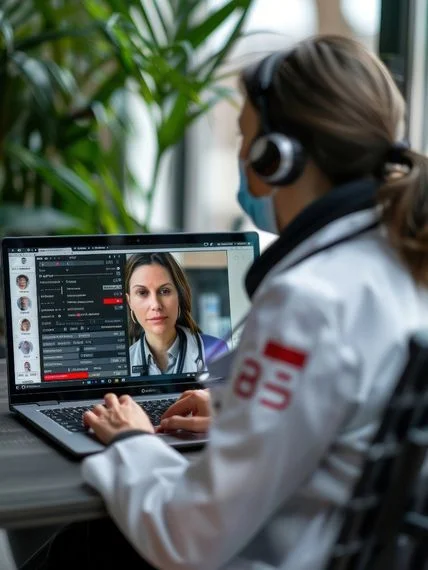
Making Communication Easier to Manage
Peachtree Family Medical had grown around accessible primary care and long-term patient relationships. As patient volume increased, Dr. Collins wanted communication to remain organized without continually adding administrative work. Her goal was straightforward: give staff a clearer way to understand why patients were contacting the clinic, continue appropriate conversations across available channels, and keep required follow-ups visible without replacing the practice's existing core systems.
Patient Conversations Were Scattered Across Workflows
On a typical morning, one employee might return an unanswered call while another handled an SMS conversation and a third worked through yesterday's callback list. Each interaction made sense individually. Together, they created a fragmented workflow.
A four-week review identified approximately 96 patient interactions requiring additional follow-up. Staff spent an estimated 7.4 hours each week reviewing communication, documenting context, and determining which conversations still required action.
The clinic tried shared lists and designated callback periods. These added structure, but staff still needed to move between communication channels and manually determine what had already happened. During busy periods, unresolved conversations could carry into the next day.
Disconnected Communication Created Unnecessary Work
The issue was not a lack of effort. The team lacked one clearer communication workflow for understanding patient context and required next actions.
| Current State | Why It Limited Growth |
|---|---|
| Calls required separate review and follow-up. | Staff spent additional time reconstructing patient needs. |
| SMS conversations were managed separately. | Patient context could become fragmented across communication channels. |
| Follow-ups depended on manual tracking. | Unresolved requests could remain open longer than intended. |
| Staff repeatedly reviewed previous interactions. | Administrative work reduced time available for immediate patient needs. |
| Communication ownership could shift during busy periods. | Employees had less clarity around who needed to act next. |
Together, these gaps made routine communication more difficult to manage as patient volume increased. Dr. Collins needed greater continuity, not simply another communication channel.
One Patient Exposed the Bigger Problem
The turning point came when Dr. Collins reviewed a patient's journey across several interactions. The patient had called, later continued the conversation digitally, and still required another follow-up. Nothing had technically gone wrong, but employees had repeatedly reconstructed the same context. She realized the problem was not the number of channels. It was the lack of a connected process around them.

Creating a More Connected Communication Workflow
Borna Connect supported the clinic's existing systems as a healthcare communication platform, helping staff manage patient interactions with clearer context and follow-up visibility.
Capture Call Context
AI call intelligence provided transcripts and summaries for supported calls, helping employees understand conversations without repeatedly reviewing complete recordings.
Continue Through SMS
One-to-one SMS gave authorized staff another channel for continuing appropriate conversations when another phone connection was unnecessary.
Organize Follow-Ups
Follow-up management helped keep patient conversations requiring additional action visible instead of relying primarily on separate lists or staff memory.
Centralize Communication Context
A more unified communication workflow gave employees clearer visibility into patient conversations, relevant context, and outstanding actions before responding.
Clearer Communication Within 90 Days
After three months, the illustrative results showed a more manageable patient communication process without adding another front-desk position.
Weekly Follow-Up Interactions
Unresolved Communication Items
Weekly Communication Workload
Follow-Up Completion Rate
The improvement gave staff a clearer picture of what required attention. Employees spent less time reconstructing conversations, unresolved items declined, and more follow-ups reached completion. For Dr. Collins, the biggest operational change was confidence that communication could move between calls, texts, and follow-up actions without becoming another collection of disconnected tasks.
“We already had ways to communicate with patients. What we needed was a better way to keep those conversations connected.”
Connected Communication Reduced Administrative Friction
Peachtree Family Medical did not need another standalone communication tool. It needed a clearer way to manage the calls, texts, and patient follow-ups already moving through the practice. Borna helped create that structure while supporting the team's existing role in patient communication.
Within 90 days, unresolved communication items fell from 19 to 8 and weekly communication workload declined from 7.4 to 4.6 hours. The larger change was a more manageable healthcare workflow automation process where staff could understand patient context and identify what needed to happen next.
Frequently asked questions
Disclaimer: Practice names, individuals, location-specific details, and performance figures are hypothetical and illustrative to protect client confidentiality.