San Diego Specialty Clinic Increased Follow-Up Completion to 90%
Dr. Natalie Chen noticed the problem at the end of busy clinic days. Patients had called with questions, conversations needed another response, and staff had created notes for later follow-up. Yet as new priorities arrived, some of those unfinished conversations remained open longer than intended.
The clinic introduced a more structured communication process supported by Borna, giving staff clearer visibility into patient conversations requiring another action. Within 90 days, the illustrative follow-up completion rate increased from 66% to 90%, while unresolved patient requests declined.
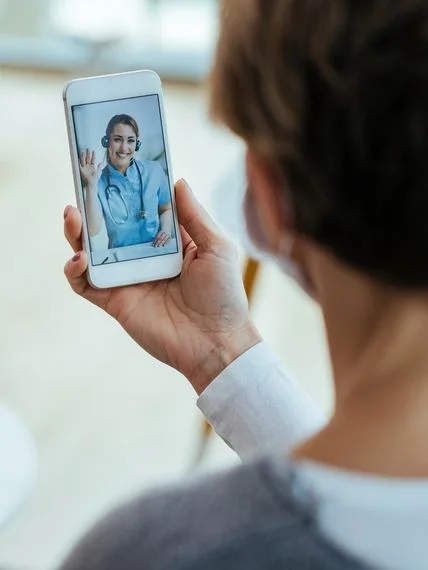
Keeping Patients Engaged Between Interactions
Pacific Specialty Care had built its San Diego practice around attentive patient care. Dr. Chen wanted that experience to continue beyond the immediate clinic interaction. When patients called with questions or needed additional communication, her team needed a reliable way to keep those conversations moving. Her goal was not to increase the number of messages sent. It was to make necessary follow-up more consistent without creating another administrative burden for staff.
Too Many Conversations Stopped Halfway
A four-week workflow review identified approximately 74 patient conversations each week that required some form of additional staff action. Only 66% were consistently completed within the clinic's intended follow-up window.
The problem became worse on busy days. Employees might document a patient's question, plan to return to it later, and then become occupied by incoming calls, scheduled patients, or other immediate responsibilities.
Shared callback lists and staff notes helped, but they still depended on someone remembering to review them. Dr. Chen realized the clinic did not need more reminders for employees. It needed better visibility into which patient conversations were still unfinished.
Follow-Up Depended Too Much on Memory
The workflow review showed that several small gaps were making consistent patient engagement harder to maintain.
| Current State | Why It Limited Growth |
|---|---|
| Follow-ups were tracked across separate notes and lists. | Staff lacked one clear view of conversations still requiring action. |
| Patient context required repeated review. | Employees spent additional time understanding what had already happened. |
| Follow-up ownership could change during busy periods. | Some conversations remained open because the next responsible person was unclear. |
| Phone contact was often the default next step. | Another unsuccessful call could delay the conversation further. |
| Unresolved requests competed with new daily priorities. | Older patient needs could lose visibility as new work arrived. |
The clinic's problem was not a lack of patient communication. It was maintaining continuity after the first interaction. Without a more structured process, engagement depended too heavily on staff remembering what needed to happen next.
One Unfinished Conversation Changed the Question
Dr. Chen's perspective shifted after reviewing a patient's communication history. The patient had contacted the clinic with a routine question and received an initial response, but another action was still required. Everyone assumed someone else had completed it. The request remained open until the patient contacted the clinic again. That moment changed the question from “Are we responding?” to “Are we consistently completing the conversation?”

Creating a Clearer Follow-Up Workflow
Borna Connect was introduced as patient communication software supporting the clinic's existing systems, with the primary goal of making unresolved conversations easier for staff to identify and complete.
Identify Follow-Ups
Patient conversations requiring additional action became easier to recognize, helping staff distinguish completed interactions from requests that still needed attention.
Preserve Conversation Context
Call transcripts and AI-generated summaries gave employees faster context around supported interactions, reducing the need to reconstruct what patients had already discussed.
Continue Through SMS
One-to-one SMS provided another appropriate communication option when staff needed to continue a conversation without relying entirely on another successful phone connection.
Keep Actions Visible
Follow-up management helped outstanding conversations remain visible to the team until the appropriate next step could be addressed.
More Follow-Ups Reached Completion
Within 90 days, the illustrative results showed stronger follow-up consistency and fewer patient conversations remaining unresolved.
Follow-Up Completion Rate
Weekly Unresolved Follow-Ups
Higher Follow-Up Completion
Weekly Follow-Up Workload
The clinic was not communicating with patients simply for the sake of increasing activity. It was completing more of the conversations that already required attention. Staff gained clearer visibility into unfinished work, patients experienced fewer communication gaps, and Dr. Chen had greater confidence that a question requiring another step was less likely to disappear into a busy workday.
“The difference was knowing which patient conversations were actually finished and which ones still needed something from our team.”
Better Follow-Up Creates Better Patient Continuity
Pacific Specialty Care did not need to generate more patient communication. It needed to make existing conversations easier to complete. By improving follow-up visibility, preserving interaction context, and giving staff another digital communication option, the clinic created a more manageable process for keeping patients engaged.
Within 90 days, the illustrative follow-up completion rate increased from 66% to 90%, while weekly unresolved follow-ups fell from 25 to 7. The larger improvement was a healthcare workflow automation process that helped the team maintain continuity without simply adding more administrative tasks.
Frequently asked questions
Disclaimer: Practice names, individuals, location-specific details, and performance figures are hypothetical and illustrative to protect client confidentiality.