Front Desk Overload: How One Dental Clinic Simplified Its Patient Follow-Up Process
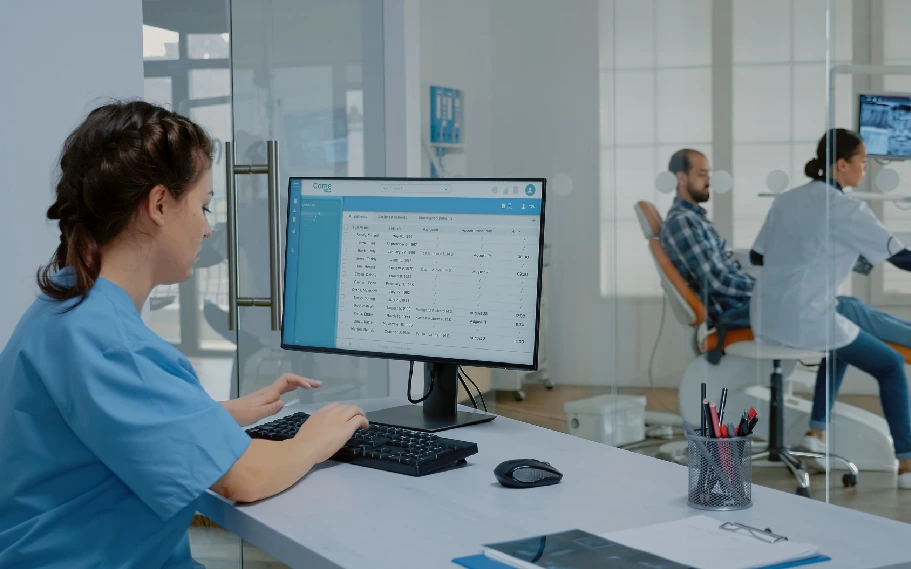
Dr. Maya Reynolds had watched Northside Family Dental grow into a busy Chicago practice, but growth brought an unexpected challenge. Her front-desk team spent increasing portions of each day organizing patient inquiries, reviewing call notes, tracking pending responses, and completing follow-ups. Work intended to support patients was gradually becoming a significant administrative burden for the team.
Dr. Reynolds initially considered the problem a staffing issue. However, adding more responsibilities or another employee would not fix a fragmented process. As follow-ups carried into the next day, she realized her team needed a clearer way to capture patient communication, identify next steps, and keep pending actions visible.
Manual Follow-Ups Were Creating Daily Pressure
A Process That Became Harder to Manage
Each week, approximately 52 patient interactions required additional attention from the front desk. Employees moved between call notes, appointment inquiries, patient information, and callback lists to determine what happened and what should happen next. Nearly 14 follow-ups remained unresolved beyond 24 hours, while the team spent about seven hours weekly organizing communication-related work. The workload also made it harder to give immediate attention to patients already standing at the front desk.
Dr. Reynolds introduced shared callback lists and assigned one employee to review outstanding communication each afternoon. These changes created temporary structure, but the process still depended heavily on staff manually recording, transferring, and reviewing information. When the clinic became busy, ownership of individual follow-ups could become unclear. Rather than simply adding another administrative position, Dr. Reynolds began looking for a workflow that could give her team better communication context, clearer next actions, and consistent visibility.
What changed
| Metric | Before | After |
|---|---|---|
| Manual follow-up tasks | 52/week | 31/week |
| Follow-ups unresolved after 24 hours | 14/week | 5/week |
| Weekly follow-up workload | 7 hours | 4.2 hours |
| Follow-up completion rate | 71% | 89% |
| Average patient response time | 3.6 hours | 1.7 hours |
Building a More Organized Follow-Up Workflow
AI Call Summaries
Patient interactions were summarized automatically, giving employees useful context while reducing repetitive manual note-taking after calls requiring further attention.
Patient Intent Capture
Patient inquiries could be categorized by purpose, helping employees quickly distinguish appointment, billing, cancellation, rescheduling, and follow-up requests.
Follow-Up Visibility
Pending actions became easier to identify, helping staff understand which patient conversations required attention without relying primarily on memory.
SMS Follow-Up Workflow
Configured SMS workflows supported appropriate next-step communication, reducing the need to make another phone call for every patient interaction.
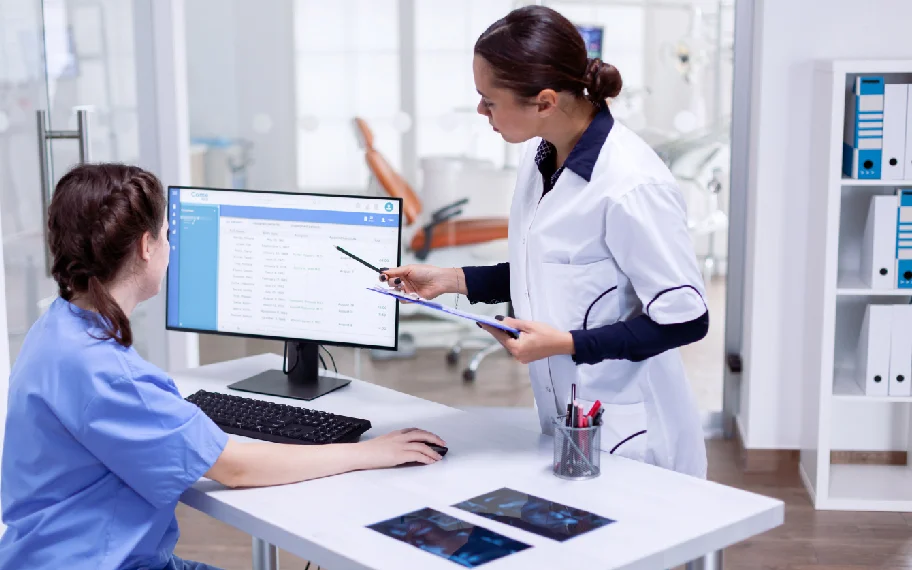
The change was most noticeable during busy periods. Employees could review the context of an interaction before responding rather than reconstructing the patient's story from separate notes. Clearer follow-up visibility also helped the team prioritize unresolved communication while continuing to assist patients arriving for scheduled visits.
For Dr. Reynolds, the goal was never to remove people from patient communication. It was to reduce the repetitive administrative work surrounding those conversations. With a more structured process, her team could spend less time organizing information and more time handling patient needs requiring personal attention.
What the work produced
Fewer Manual Follow-Up Tasks
Fewer Overdue Patient Follow-Ups
Faster Average Patient Response
Weekly Staff Time Recovered
“Our team still handles the conversations, but now they spend far less time figuring out what needs to happen next.”
After 90 days, Northside Family Dental had a more structured approach to patient follow-up without adding another administrative position. Fewer interactions remained unresolved, response times improved, and staff recovered time previously spent organizing communication. For Dr. Reynolds, the biggest change was greater confidence that patient requests had clear next steps while her front-desk team remained focused on delivering a more attentive patient experience.
Frequently asked questions
Disclaimer: The clinic, doctor, and location-specific details in this case study are hypothetical and illustrative, created to demonstrate a realistic healthcare workflow while respecting client confidentiality.